
 Français
  Italiano
  Español
  Deutsch
  Português PT
 .png)
.png)
In endurance competitions, attention is often focused almost exclusively on the horse. However, the rider’s physical...
Search in blog
Blog categories
Latest posts
Rider fatigue: nutritional strategies for endurance
Read more
Sleeping at an endurance ride camp: trailer or tent? Read more
Ride camps are mainly held in the United States, and deciding where to sleep at an endurance ride camp is not just a...

How Expert Riders Prepare Their Endurance Setup Read more
Properly preparing the endurance setup is one of the main differences between a beginner rider and an experienced...

Electrolytes During an Endurance Race: When and How to Use Them Read more
Properly managing electrolytes during an endurance race means maintaining the horse’s physiological balance...
Gastric Health in the Endurance Horse: When to Use a Gastroprotectant Read more
In the world of endurance, much is said about heart rate, recovery, hydration, and effort management, but far less...
Popular posts

How do horses sleep: do they sleep standing up or lying down?
Do you really know how horses sleep? It's not just a fun fact: knowing it helps improve their well-being. A...
Read more
Horse Arnica: properties and benefits of extra-strong arnica gel for horses and human use
Arnica for horses is a powerful natural remedy, also ideal for humans! Discover its benefits and how to use it for...
Read more
How much does horse riding cost? A guide for parents and enthusiasts
How much does horse riding cost? Find out the price of lessons, equipment, and horse care, with strategies to enjoy...
Read more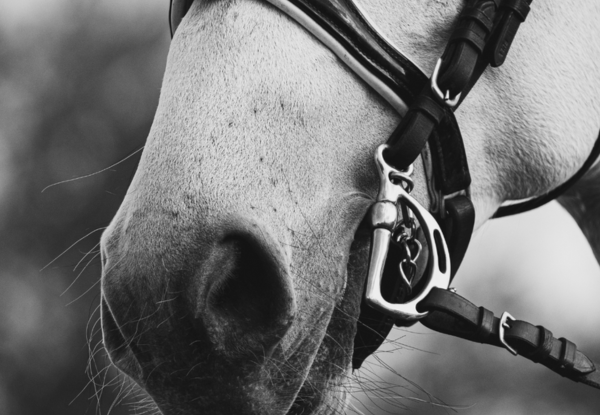
Horse bits: A complete guide to choosing snaffle bits and curb bits
A technical guide to choosing the right bit: learn the difference between curb and snaffle and find the best option...
Read more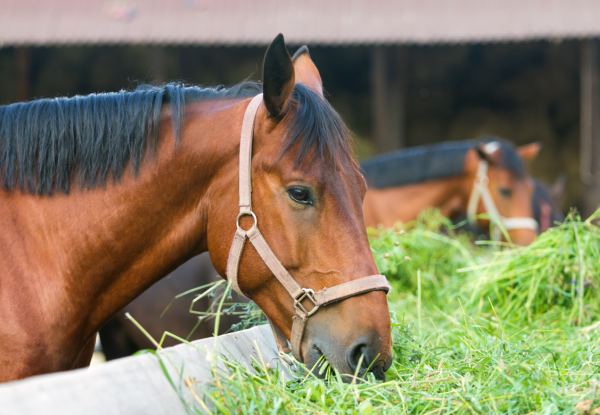
What do horses eat? A complete guide to horse feeding for optimal health
Do you really know what horses eat? In this simple and complete guide, you will learn how to feed them in the best...
Read moreFeatured posts
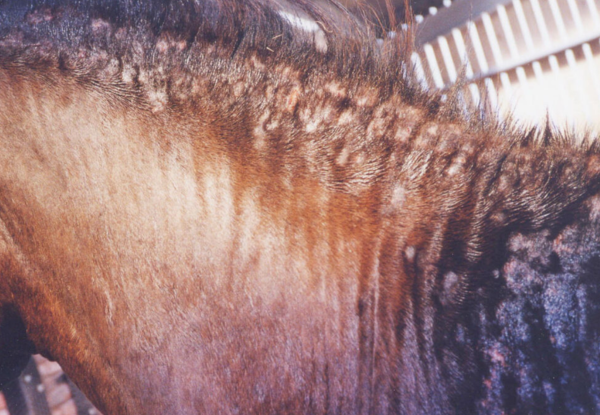
Sweet itch in horses: Symptoms, causes and treatments for a healthy coat
Everything you need to know about horse sweet itch: a complete guide with symptoms, causes, and helpful remedies to...
Read more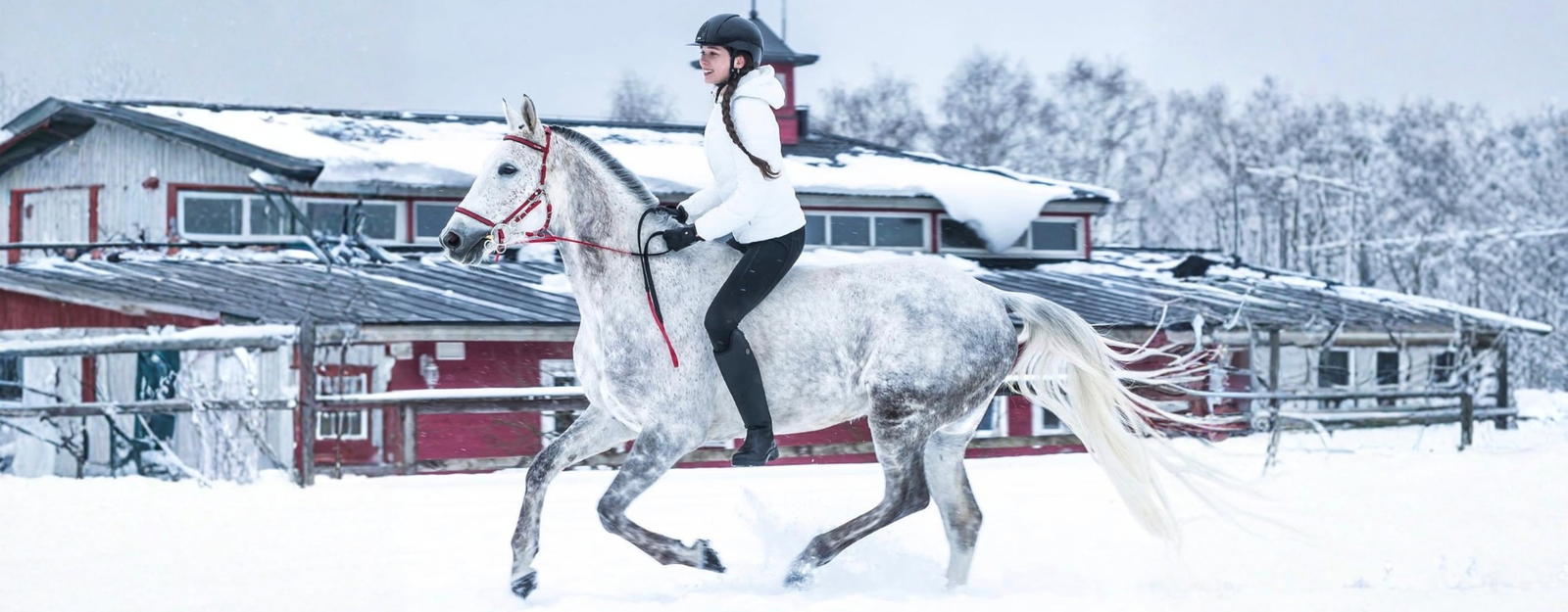
Training in the cold without overloading the horse
Winter is a delicate period for those who do endurance.
Training in the cold is necessary to keep fitness, but doing it without a plan can lead to muscle stiffness, useless fatigue, and problems that will show up only later, when the season gets busy.
In winter work, the goal is not “to do kilometers”, but to prepare the horse to work better when it really matters.
WHY COLD WEATHER CHANGES THE WAY YOU TRAIN THE HORSE
Low temperatures affect:
muscle elasticity
joint response
warm-up time
- recovery after work
A horse that works loose in summer can look, in winter:
stiffer in the first minutes
less responsive
- apparently “lazy”, when in fact it is just cold
Ignoring these signs and pushing anyway is one of the most common mistakes.
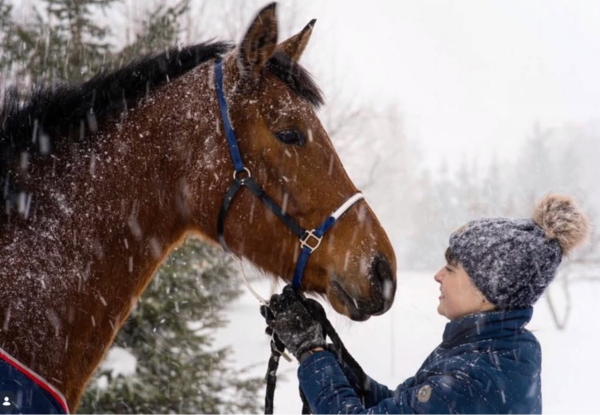
THE BASIC PRINCIPLE OF WINTER TRAINING
Training in the cold does not mean training less, but training in a different way.
Endurance professionals focus on:
being gradual
a long and progressive warm-up
controlled workload
- great attention to recovery
The goal is not to increase speed, but to keep efficiency and well-being.
WARM-UP: THE MOST IMPORTANT PHASE IN WINTER
In cold conditions, the warm-up becomes central.
What a good winter warm-up should be like
at least 15–20 minutes
active and relaxed walk
soft transitions
- a gradual stretch of the neck
Skipping or shortening this phase increases the risk of:
muscle tightness
back stiffness
- small muscle injuries
THE REAL TRAINING: WHAT TO DO AND WHAT TO AVOID
What to focus on
gradual work
long rides
- a steady pace
What to avoid
sudden bursts
fast work when the horse is cold
RECOVERY IN THE COLD: OFTEN UNDERESTIMATED
After work, in winter, the horse:
cools down faster
can get stiff if left standing still
- needs more careful recovery time
Good post-training practices
a long cool-down at the walk
dry sweat and the neck well
protect the back from drafts
- avoid putting the horse back standing still in the cold right away
Recovery is part of training as much as the work.
EQUIPMENT AND COMFORT: ALLIES AGAINST THE COLD
Training in the cold without overloading the horse also means choosing the right equipment.
Key elements:
breathable saddle pads that do not hold moisture
materials that stay stable even when wet
a post-training rug
Inadequate equipment can:
cause rubbing
- increase muscle tension
In winter, comfort and heat management become even more important.
SIGNS THAT SHOW OVERLOAD (DO NOT IGNORE THEM)
During or after training, pay attention to:
persistent stiffness
reluctance to move
slow recovery
- changes in behavior
These signs do not mean “no will to work”, but the need to pay attention to the type of training and the warm-up.
WINTER AND ENDURANCE PHILOSOPHY: PREPARE, DO NOT FORCE
Winter is used to build the base for a long and healthy season.
Those who arrive in spring with a horse that is:
relaxed
loose
- mentally ready
has already done half of the work.
And it is perfectly in line with the key principle of endurance:
To finish is to win.
Training in the cold is possible, useful, and necessary.
But only if it is done with respect for timing, the horse’s body, and the environmental conditions.
Increasing attention and taking care of recovery means protecting the horse today so it can perform tomorrow.
Discover the saddle pads and accessories designed for winter training, made for breathability, stability, and comfort even at low temperatures.
Posted in: Equestrian Endurance & Events
Related products

Equitime Sand Band / Equitime Balaclava
Price: €10.00
The Equitime Sand Band/Half Helmet Liner is the perfect accessory for...

Equitime Compression Socks
Price: €19.99
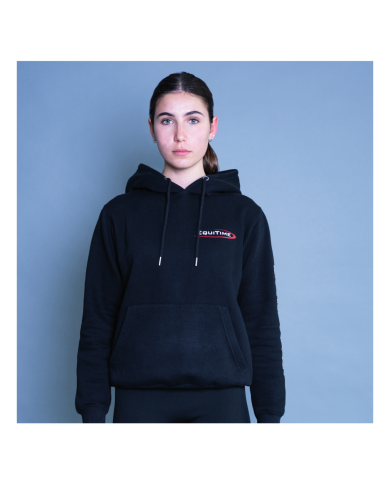
Equitime Unisex Sweatshirt
Price: €34.99
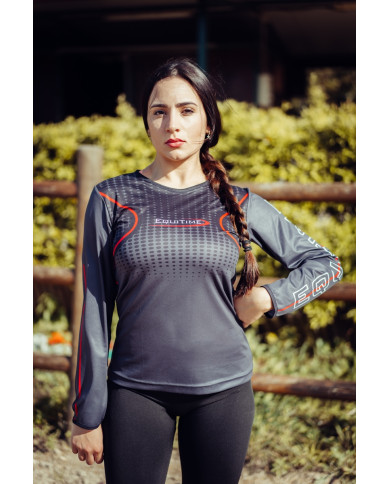
Equitime long-sleeved technical jersey
Price: €49.00
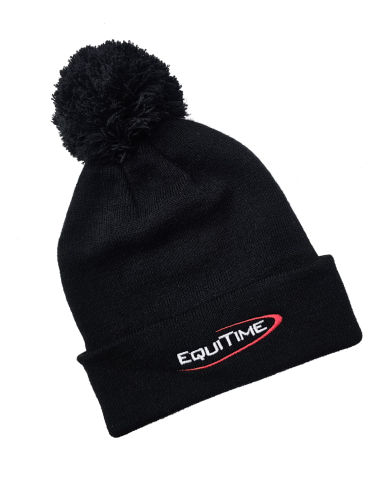
EQUITIME "Pom Pom" Winter Hat
Price: €24.99

EQUITIME softshell jacket waterproof MAN
Price: €70.00
The ideal jacket for any weather condition: breathable, windproof, and...
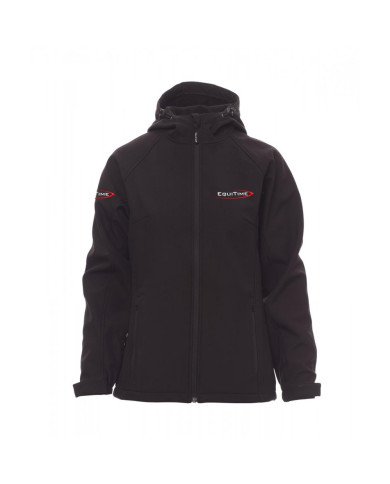
EQUITIME softshell jacket waterproof WOMAN
Price: €70.00
The ideal jacket for any weather condition: breathable, windproof, and...
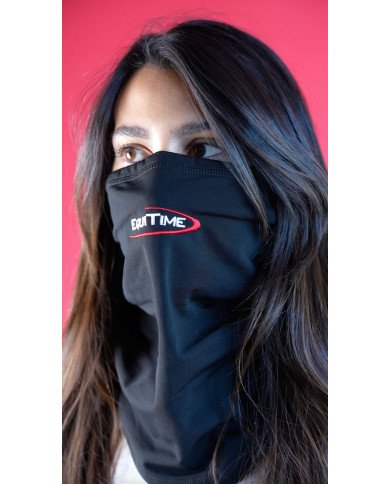
EQUITIME Breathable Softshell Winter Neck Warmer Windproof
Price: €19.99
Face the coldest days with maximum comfort and protection thanks to the...
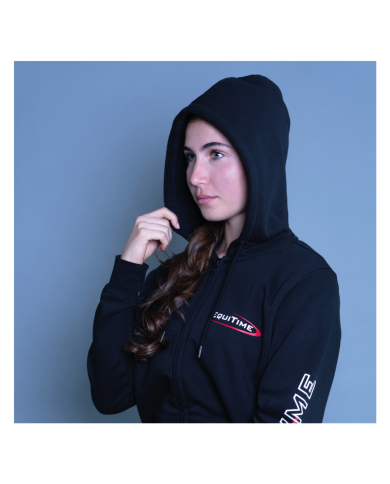
Equitime Unisex Zip-Up Sweatshirt
Price: €34.99
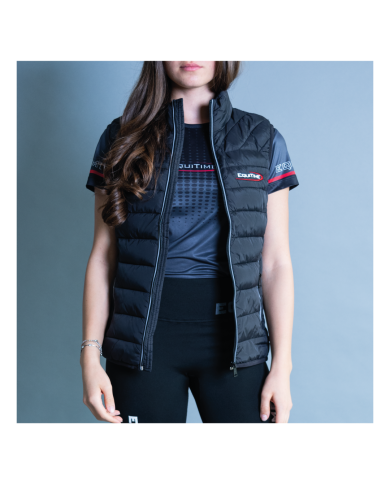
Equitime Unisex Vest
Price: €69.99
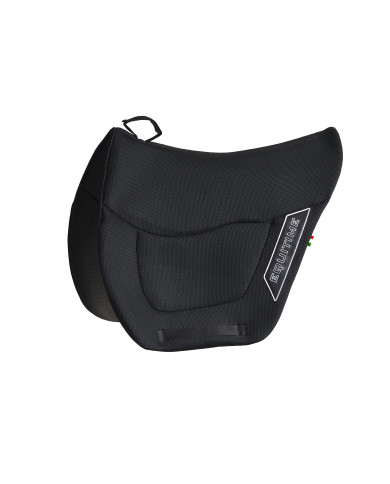
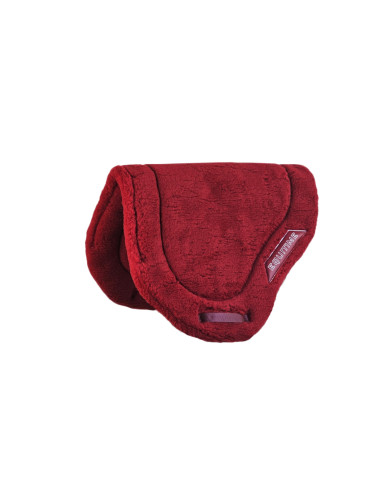
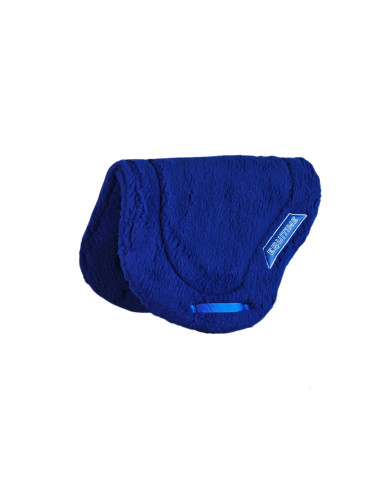
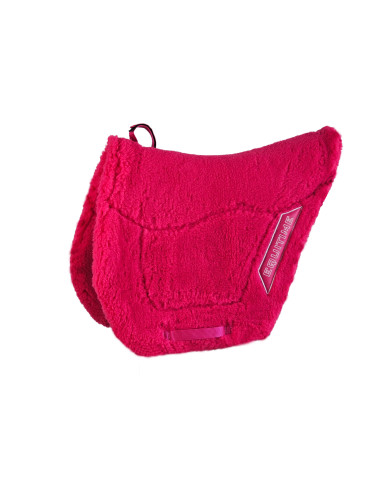
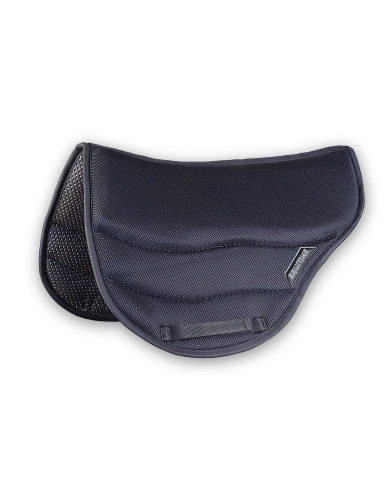

EQUITIME Saddlepad Sympa Breathable Non-Slip Saddle Pad
Price: €97.50
MADE IN ITALY EQUITIME DryGrip Saddlepad made of non-slip Sympa material with...
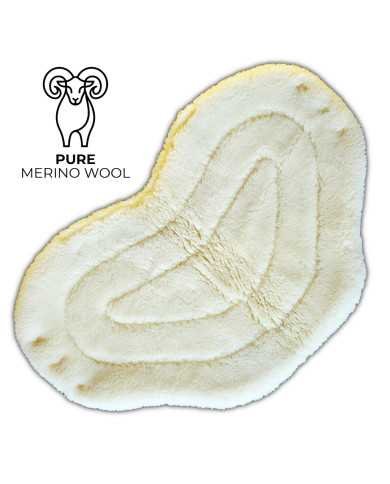
EQUITIME Endurance Saddle Pad in Pure Merino Wool
Price: €219.99
Endurance Saddle Pad in Pure Merino Wool EQUITIME – 3D Breathable Fabric,...
Related posts
 Recap 2024: A Year of Endurance Between Italy and France with EQUITIME
2024 saw EQUITIME shine in 10 Endurance races across Italy and France, achieving significant milestones at the...
Read more 2024: A Year of challenges and successes for Equitime2024 has been a year of remarkable achievements for Equitime and some of its ambassadors, who stood out with...
Read more Arezzo Ride 2025: News from EquitimeEquitime kicks off the 2025 season by participating in the Festival Terre Toscane at the Arezzo Equestrian Centre....
Read more 7th Raid Città della Pieve: rain, mud and adrenalineCittà della Pieve opens the 2025 endurance season with the 7th International Raid: with bad weather and conquered...
Read more The Equitime® Endurance Brand: a story of passion and innovation born in AbruzzoDiscover the story of Equitime® Endurance: an Italian brand born from the passion of those who live Endurance every day.
Read more