
 Français
  Italiano
  Español
  Deutsch
  Português PT
 .png)
.png)
In endurance competitions, attention is often focused almost exclusively on the horse. However, the rider’s physical...
Search in blog
Blog categories
Latest posts
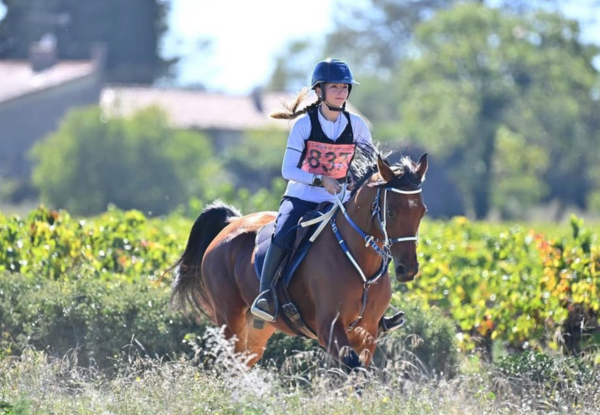
Rider fatigue: nutritional strategies for endurance
Read more
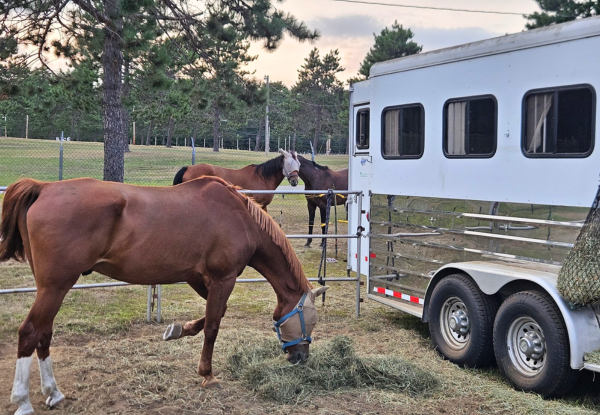
Sleeping at an endurance ride camp: trailer or tent? Read more
Ride camps are mainly held in the United States, and deciding where to sleep at an endurance ride camp is not just a...

How Expert Riders Prepare Their Endurance Setup Read more
Properly preparing the endurance setup is one of the main differences between a beginner rider and an experienced...

Electrolytes During an Endurance Race: When and How to Use Them Read more
Properly managing electrolytes during an endurance race means maintaining the horse’s physiological balance...
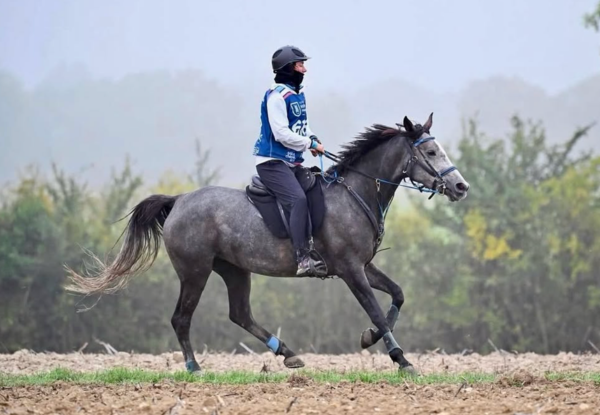
Gastric Health in the Endurance Horse: When to Use a Gastroprotectant Read more
In the world of endurance, much is said about heart rate, recovery, hydration, and effort management, but far less...
Popular posts

How do horses sleep: do they sleep standing up or lying down?
Do you really know how horses sleep? It's not just a fun fact: knowing it helps improve their well-being. A...
Read more
Horse Arnica: properties and benefits of extra-strong arnica gel for horses and human use
Arnica for horses is a powerful natural remedy, also ideal for humans! Discover its benefits and how to use it for...
Read more
How much does horse riding cost? A guide for parents and enthusiasts
How much does horse riding cost? Find out the price of lessons, equipment, and horse care, with strategies to enjoy...
Read more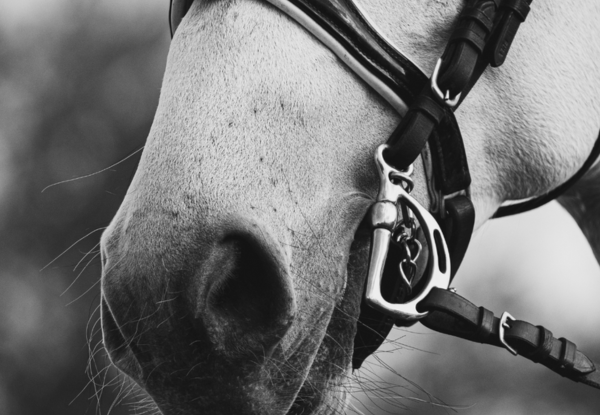
Horse bits: A complete guide to choosing snaffle bits and curb bits
A technical guide to choosing the right bit: learn the difference between curb and snaffle and find the best option...
Read more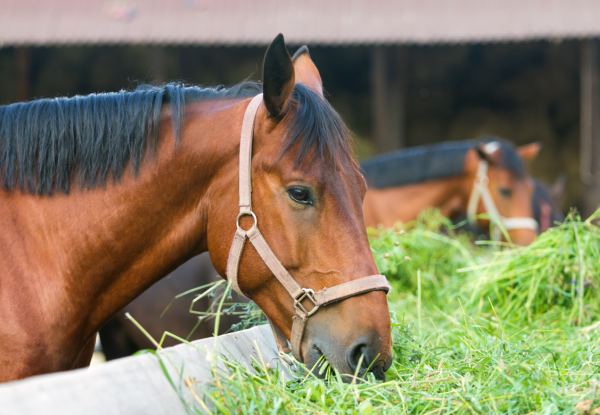
What do horses eat? A complete guide to horse feeding for optimal health
Do you really know what horses eat? In this simple and complete guide, you will learn how to feed them in the best...
Read moreFeatured posts
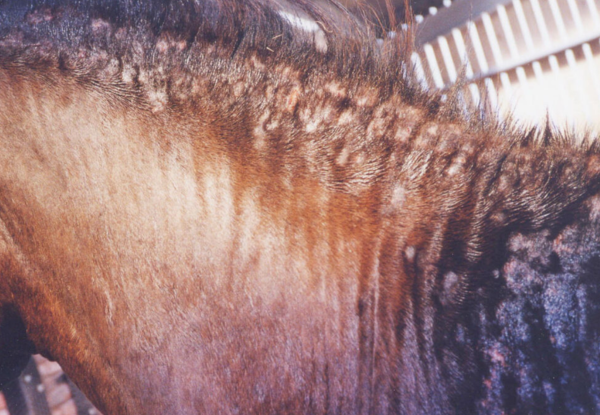
Sweet itch in horses: Symptoms, causes and treatments for a healthy coat
Everything you need to know about horse sweet itch: a complete guide with symptoms, causes, and helpful remedies to...
Read more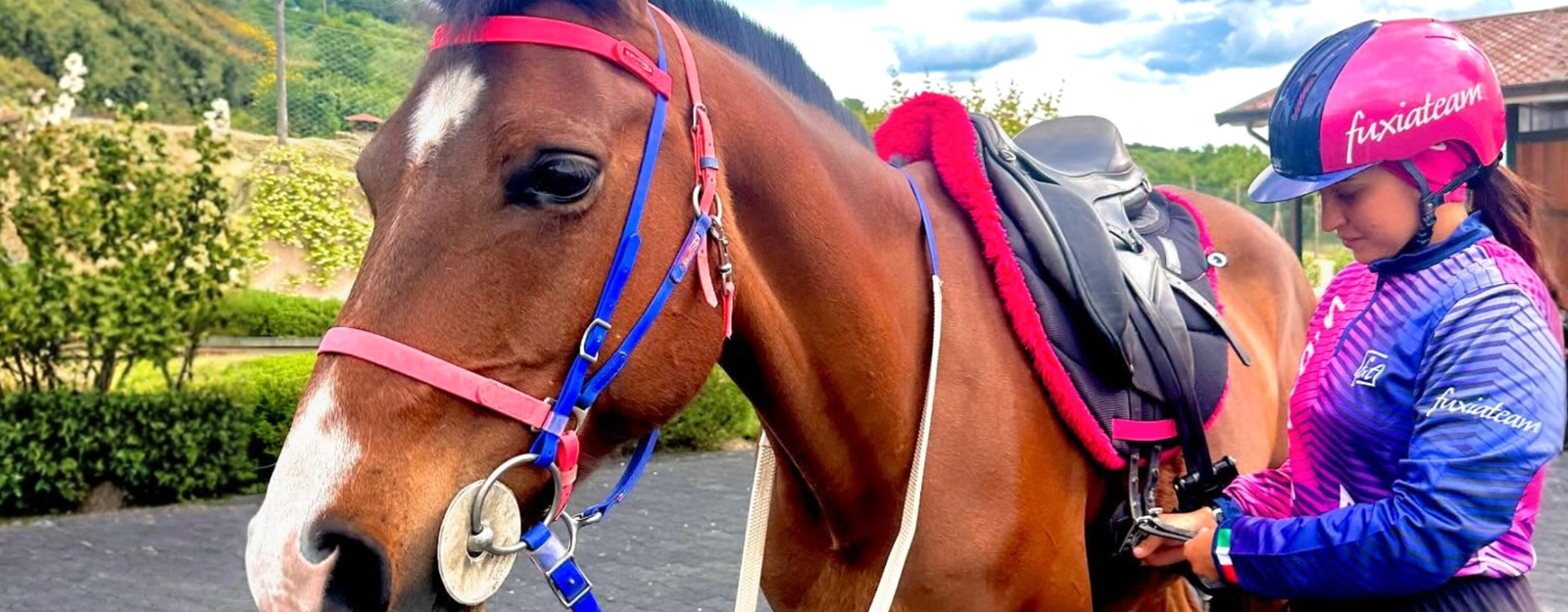
How Expert Riders Prepare Their Endurance Setup
Preparing endurance equipment has a direct effect on stability, comfort and injury prevention over long distances.
The rider who finishes is often not necessarily the fastest.
It is the best prepared.
PREPARING THE ENDURANCE SET STARTS DAYS BEFORE
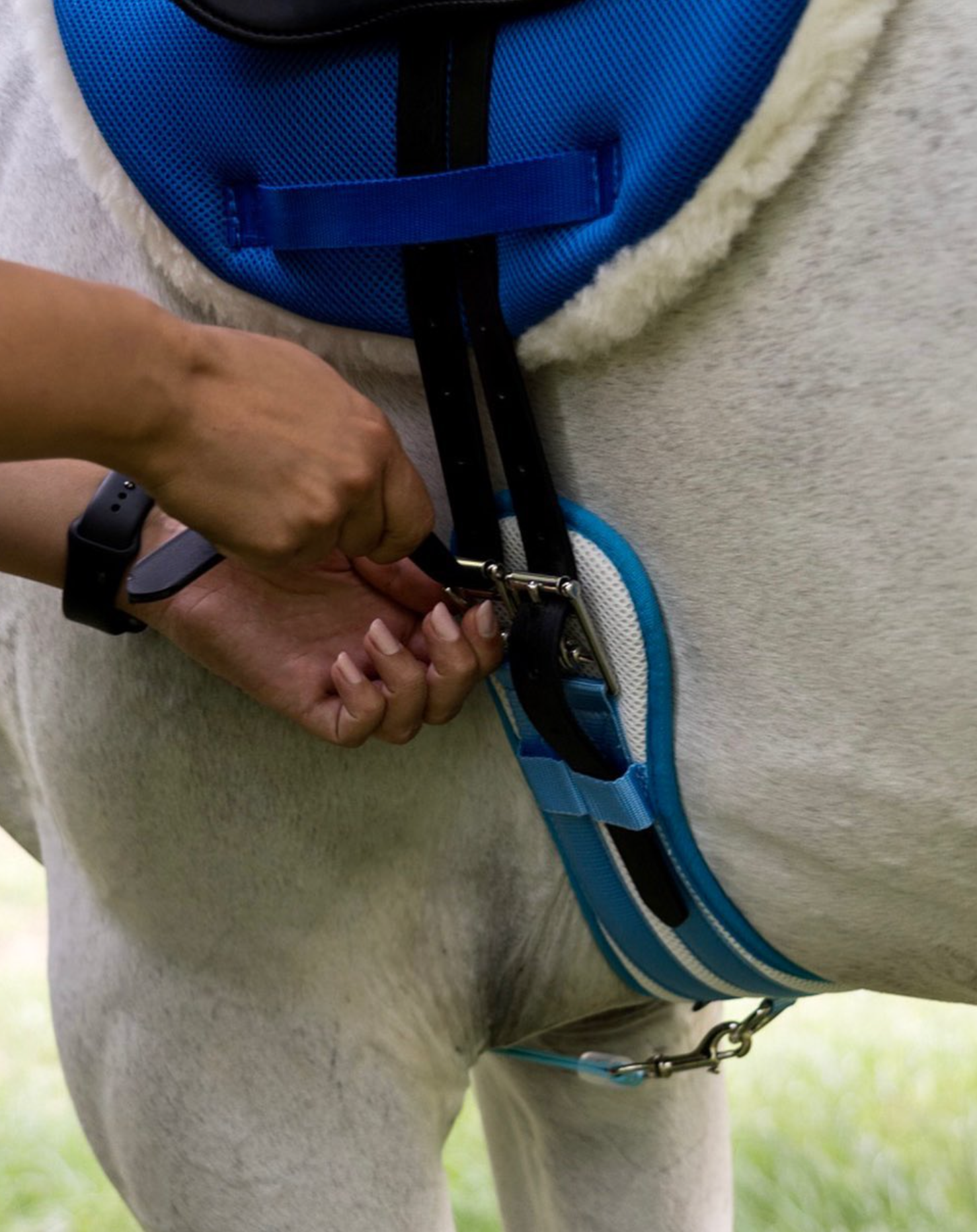
Expert riders do not prepare the endurance set the evening before the race. The technical check starts days before and includes, among many things, checking the buckles, the wear of the materials and the stability of the saddle.
Every detail is checked with care, because even a small failure can become a problem after several kilometres.
Early preparation reduces unexpected problems and increases the rider’s mental safety.
Essential checks
Integrity of straps and attachments
Condition of the saddle pad
Stability of the stirrups
Condition of the saddle
NOTHING NEW ON RACE DAY
A clear rule shared by expert riders is this: in the endurance set, you should never add a new item on race day.
Every change, even a very small one, must be tested during training over distances similar to those expected in competition.
The race is not the place to experiment. It is the moment to use what has already been tested.
THE CENTRAL ROLE OF THE SADDLE PAD IN THE ENDURANCE SET
In the endurance set, the saddle pad is one of the most important elements. It must provide good breathability, even pressure distribution and stability, also when the horse sweats a lot.
An unsuitable endurance saddle pad can cause repeated rubbing which, over long distances, becomes a real risk factor.
Expert riders always check:
Sweat management
Stability under pressure
Compatibility with the horse’s back
The horse’s back is the absolute priority.
STRATEGIC ORGANISATION AT THE VET GATE
The endurance set is not only about what is placed on the horse, but also about how the equipment is organised during the race.
Expert riders divide the equipment by function: start, vet gate and assistance.
This organisation reduces waiting time and lowers the level of working stress.
ADAPTING THE ENDURANCE SET TO WEATHER AND GROUND
The endurance set is not fixed. It changes according to the environmental conditions.
High temperatures require more attention to breathability; winter races require good management of muscle cooling.
The type of ground can also influence the choice of protection and hoof care.
Expert riders always check:
Temperature and humidity
Type of ground
Length of the race
Expected pace
Adaptability is a technical skill.
SIMPLICITY AND CONSISTENCY: THE REAL SECRET
One thing expert riders have in common is simplicity. Their endurance set is essential. They remove what is not necessary and keep the same logic from one race to another.
This continuity makes it possible to notice any problem immediately.
Stable equipment creates mental stability.
And mental stability improves race management.
WHY THE ENDURANCE SET AFFECTS PERFORMANCE
A correctly prepared endurance set:
Reduces the risk of microtrauma
Improves the horse’s comfort
Reduces mistakes at the vet gate
When the equipment works well, the rider can focus on pace, recovery and strategy.
Many eliminations come from details that are ignored, not from lack of training.
PREPARATION IS THE REAL DIFFERENCE
Preparing the endurance set like expert riders means thinking about the long term.
It is not about having the most expensive equipment, but the most reliable, tested and suitable equipment for your horse.
Every element must help reduce rubbing, increase stability and protect the horse.
In endurance, you do not improvise.
You plan, you test, you improve.
To finish is to win.
Finishing is often not luck.
It is preparation.
Do you want to create your endurance set with the same logic as expert riders?
Discover our dedicated selection! 
Related products

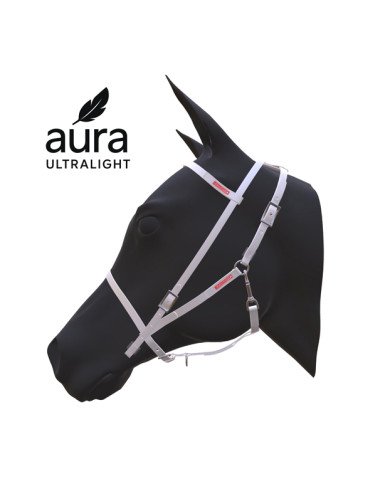
Equitime Easy bridle model Aura Ultralight
Price: €99.00
The lightest bridle in the world! Click on the button CONFIGURE to...


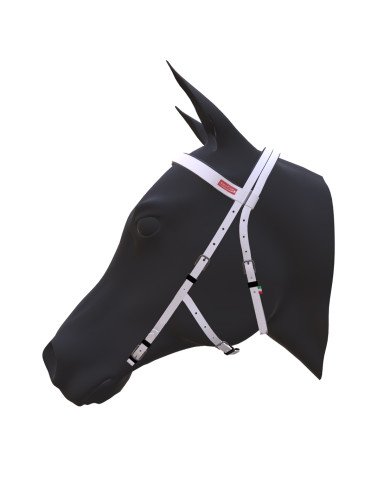
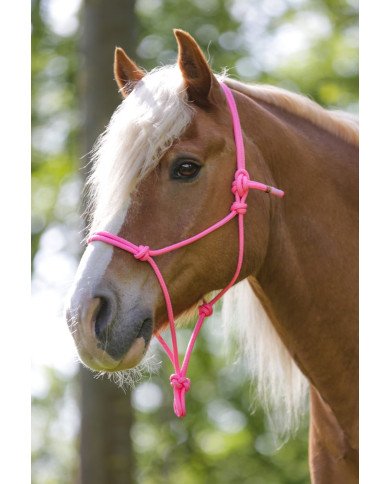
EQUITIME Premium Hackamore bridle
Price: €129.00


Equitime Comfort Clip for Easy Bridle
Price: €19.99
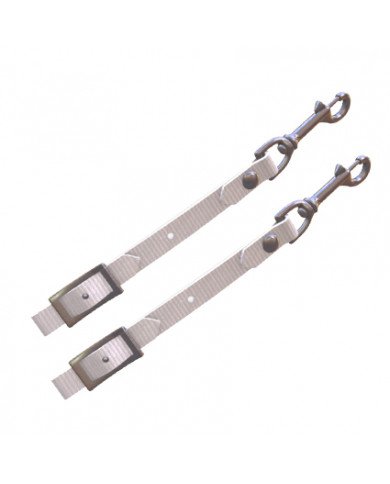
EQUITIME biothane uprights
Price: €29.90
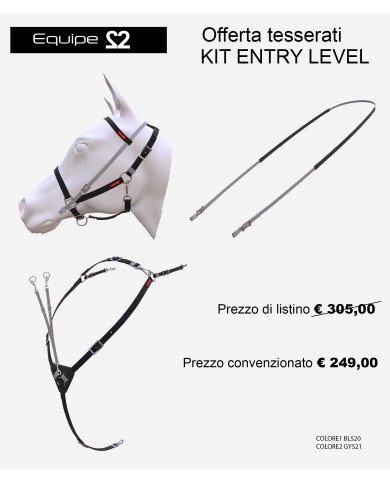
KIT EQUIPE 22 ENTRY LEVEL
Old price: €305.00 Price: €249.00 Discount: 18% Save up: -€56.00
Production time 15 working days
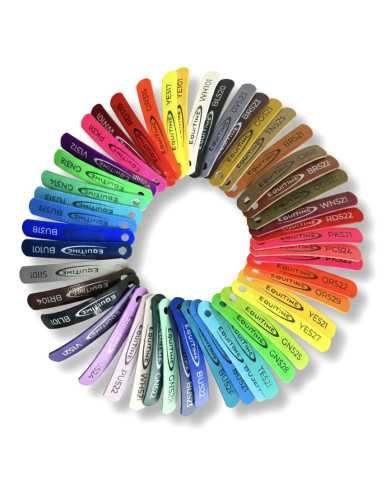
EQUITIME biothane Color Chart
Price: €65.00
Equitime biothane Color Card, you can purchase it to confidently choose your...


Equitime Biothane Halter 25mm Wide
Price: €159.90
Click the CONFIGURE button to customize your halter .

Equitime Biothane Wide Double Buckle Halter
Price: €159.91
Click the CONFIGURE button to customize your halter .
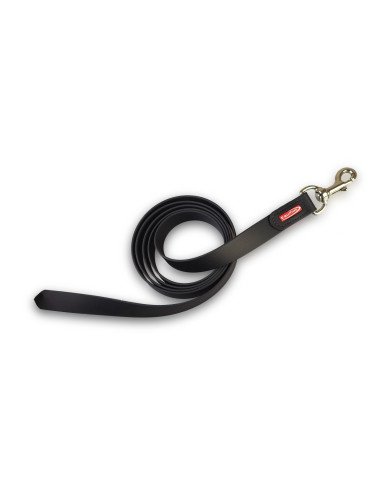
EQUITIME biothane lead rope with snap hook
Price: €49.99
Original Biothane lead rope, Made in the USA , durable, easy to clean and...
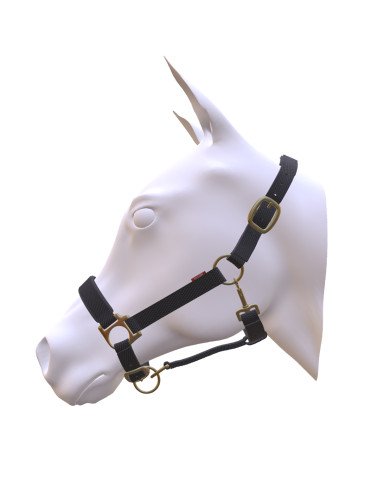
EQUITIME nylon Halter customizable with embroidery
Price: €40.00
Click on the button CONFIGURE to personalize it
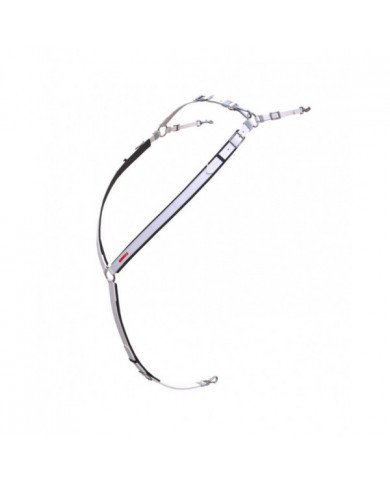
Equitime Biothane Comfort Chest Breastplate
Price: €129.90
Click on the CONFIGURE button to customize your breastplate

Equitime Biothane Breastplate
Price: €109.99
Click on the CONFIGURE button to customize your breastplate .

Equitime Aura Ultralight biothane breastplate
Price: €109.00
The lightest breastplate in the world! Click on the button CONFIGURE to...

Equitime Aura Ultralight Comfort biothane breastplate
Price: €129.90
The lightest breastplate in the world! Click on the button CONFIGURE to...

Equitime Running martingale in Biothane
Price: €74.99

Equitime Biothane Martingale attachment
Price: €45.00
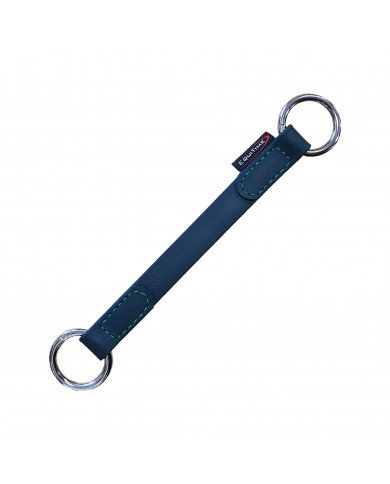
Equitime False Running martingale
Price: €25.00

Equitime Splint Boot
Price: €59.99
Click CONFIGURE to customize your boots (+€10), or choose the size from the...

Equitime Fit Boot
Price: €70.00
Click CONFIGURE to customize your boots (+€10), or choose the size from the...

Equitime Back Boot
Price: €49.99
Click CONFIGURE to customize your boots (+€10), or choose the size from the...
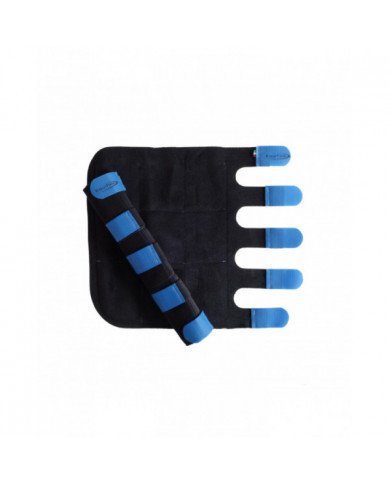
Equitime Ice Boot
Price: €129.90
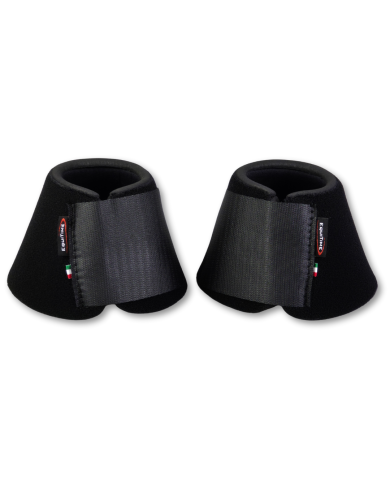
Equitime Soft Touch Neoprene Over reach boots with 1 Strap
Price: €45.00
Click on CONFIGURE to personalize your over reach boots (+€10), or choose the...
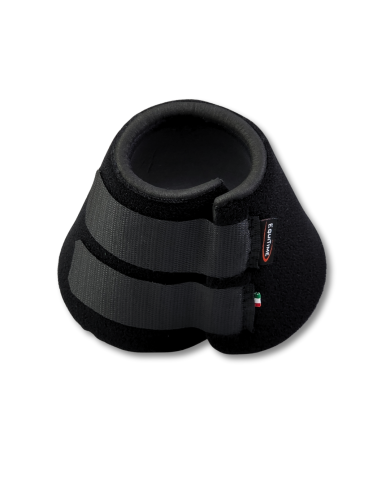
Equitime Soft touch Neoprene Over reach boots with 2 rips
Price: €45.00
Click on CONFIGURE to personalize your over reach boots (+€10), or choose the...
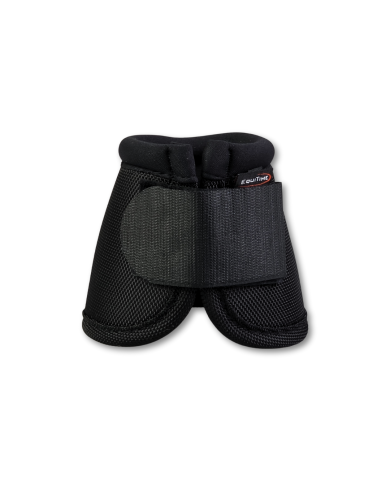
Equitime Over reach boots no-turn booties
Price: €59.00
Click on CONFIGURE to personalize your over reach boots (+€10), or choose the...
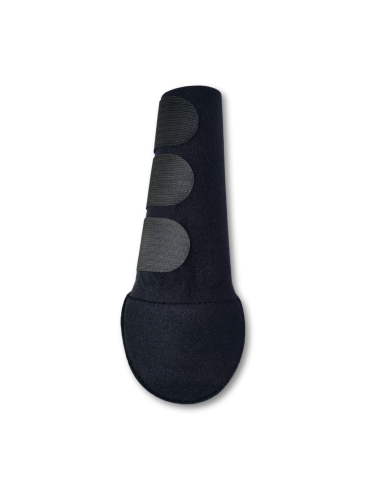
EQUITIME non tailflap neoprene tail guard
Price: €45.00
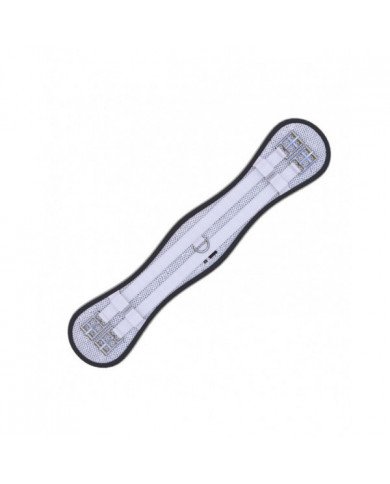
Equitime Anatomic Girth
Price: €119.90
Click CONFIGURE to customize your girth (€10), or choose the size from the...
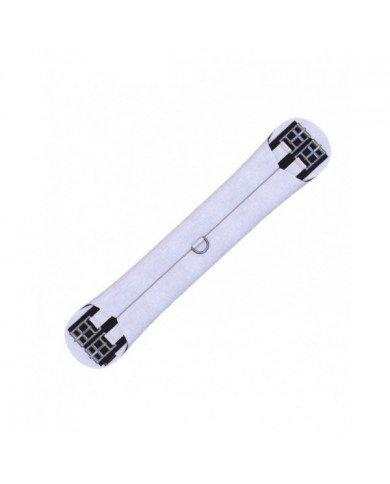
Equitime Girth Tubegirth
Price: €94.90
Click CONFIGURE to customize your girth (€10), or choose the size from the...

Equitime Pile Girth
Price: €104.90
Click CONFIGURE to customize your girth (€10), or choose the size from the...
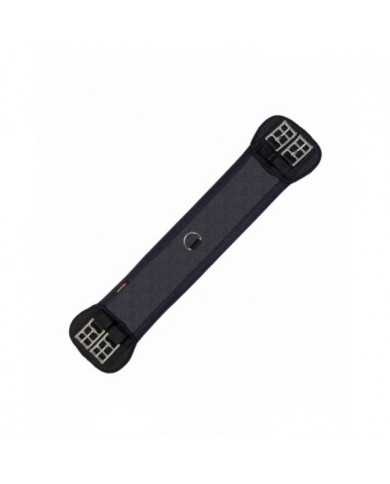
Equitime Performance Girth
Price: €80.00
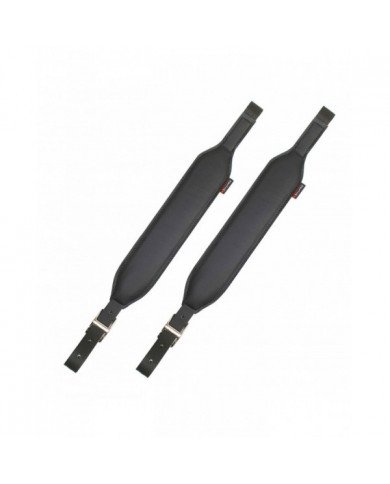
Equitime Comfort Model Mono stirrups straps Saddles
Price: €154.90
Click on the CONFIGURE button to customize your stirrups straps . Carefully...
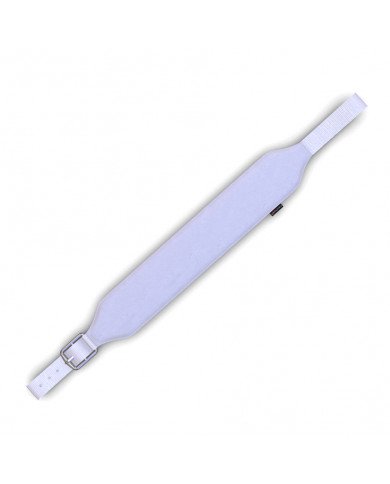
Equitime Comfort biothane stirrups straps
Price: €154.99
Click on the CONFIGURE button to customize your stirrups straps
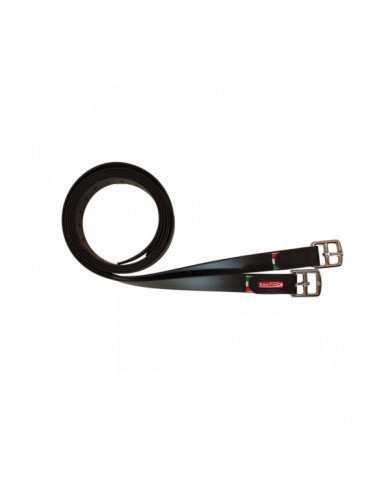
Equitime Biothane Stirrups straps
Price: €60.00
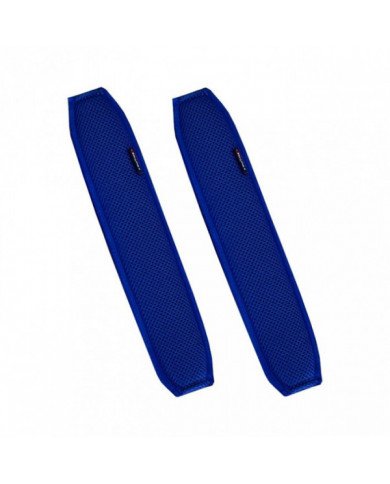
Equitime Padded Stirrups straps Covers
Price: €42.00
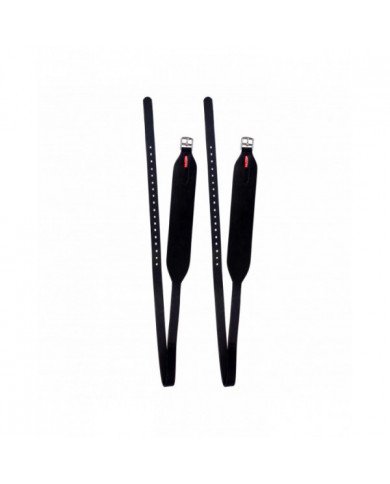
Equitime Leather Fender Stirrups straps Leathers
Price: €195.00

Equitime Wide Fender stirrups straps Padded in Genuine Leather
Old price: €349.00 Price: €323.00 Discount: 7% Save up: -€26.00
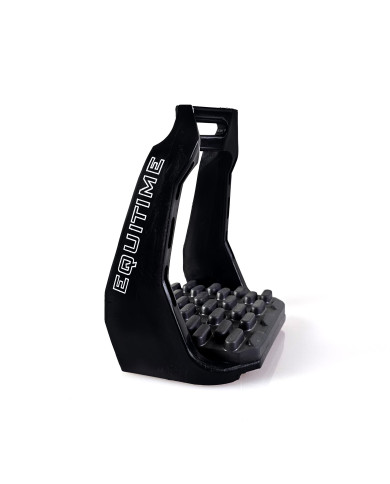
EQUITIME ENDURO X-FLEX endurance stirrup
Price: €159.90
Wide, cushioned, non-slip bench Stirrup with an inclined attachment for...
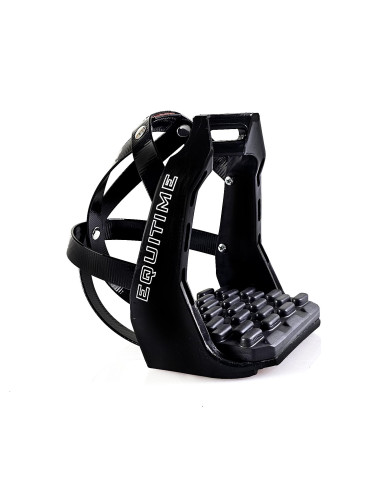
EQUITIME ENDURO X-FLEX endurance stirrup with cage
Price: €189.90
Wide, cushioned, non-slip bench Stirrup with an inclined attachment for...
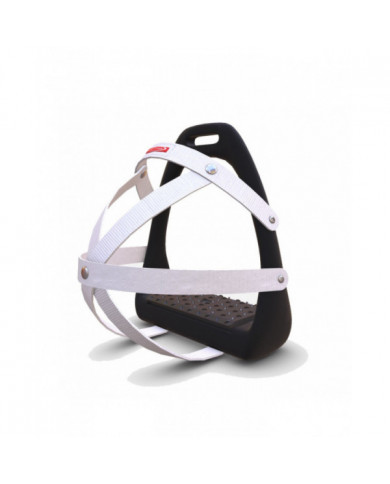
Equitime Endurance Stirrup and Biothane Cages
Price: €95.00
Create your own custom model! Click the CONFIGURE button . Sold in pairs.
Equitime Biothane Stirrup Cage
Price: €47.50

Equitime Hackamore Racing Model
Price: €154.90
Click the CONFIGURE button to customize your hackamore.

Equitime Hackamore Model Flower
Price: €154.99
Click the CONFIGURE button to customize your hackamore.
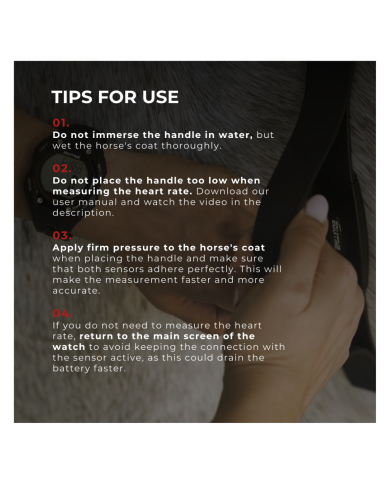
EQUITIME heart rate monitor for horses
Price: €149.00
The fastest in the world!The kit includes a handle and clock
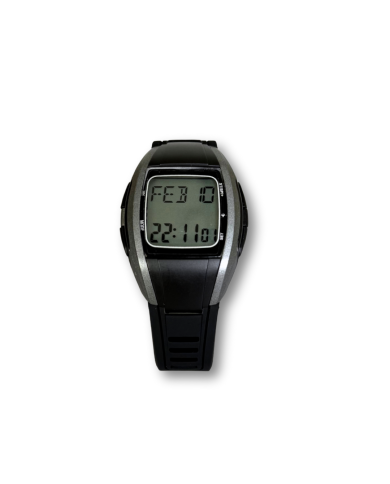
Equitime Heart rate monitor Monitor Watch
Price: €44.99
The Equitime heart rate monitor watch is the essential accessory for...
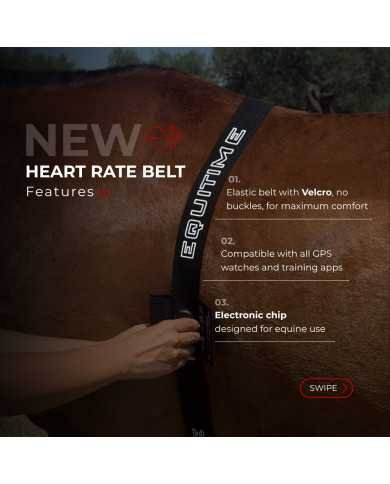
EQUITIME Horse Heart Rate Belt | Elastic, buckle-free SENSOR INCLUDED
Price: €159.99
SENSOR INCLUDED Elastic heart rate belt for horses by EQUITIME: buckle-free...

EQUITIME DUNA endurance saddle
Price: €2,390.00
Saddle without quarters studied and designed for modern endurance , perfect...

Equitime MAJA endurance saddle
Price: €2,490.00

Equitime Saddle Weights 2 Kg
Price: €389.00


Equitime Saddle Weights 6 Kg
Price: €449.00

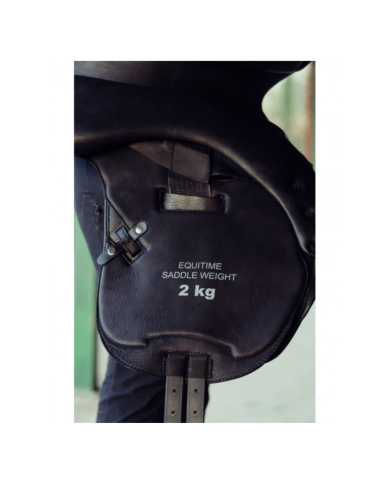

EQUITIME Water-Repellent Fabric Saddle Cover
Price: €69.99
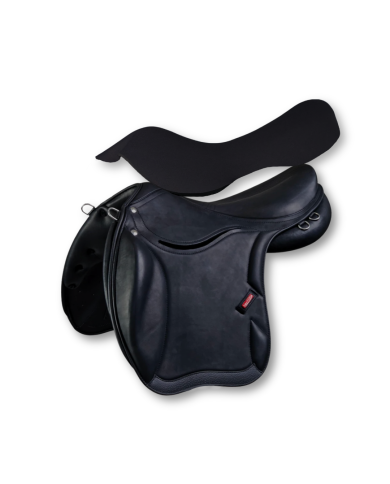
Equitime neoprene seat cover for MAJA saddle
Price: €89.90
Protect and personalize your Maja saddle with the new EQUITIME Saddle Seat...
Related posts
 The ultimate guide to choosing the perfect size for your KEP ITALIA horse riding helmet
Discover how to choose the perfect size for your KEP ITALIA horse riding helmet with our comprehensive guide. Learn...
Read more How to choose the right horse blanket: a complete guide to protecting your horse from the coldWith the arrival of winter, ensuring your horse’s well-being is essential. This article will guide you in selecting...
Read more Technical guide to maintaining your saddleThe new Equitime leather care line revolutionizes saddle maintenance. In this technical guide, you will find...
Read more How much does horse riding cost? A guide for parents and enthusiastsHow much does horse riding cost? Find out the price of lessons, equipment, and horse care, with strategies to enjoy...
Read more How to clean leather riding boots: A complete guide to perfect careA complete guide on how to clean riding boots and keep them in perfect condition. Find practical tips, mistakes to...
Read more