
 Français
  Italiano
  Español
  Deutsch
  Português PT
 .png)
.png)
In endurance competitions, attention is often focused almost exclusively on the horse. However, the rider’s physical...
Search in blog
Blog categories
Latest posts
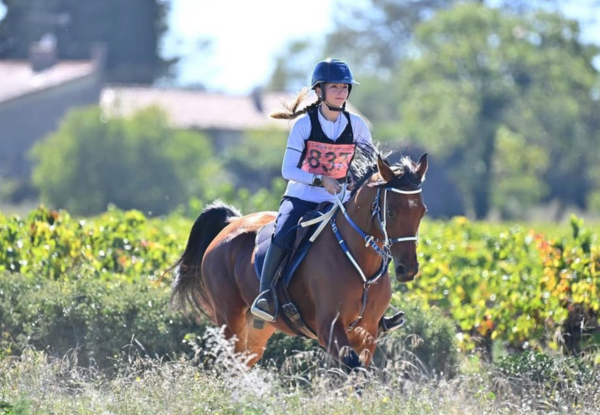
Rider fatigue: nutritional strategies for endurance
Read more
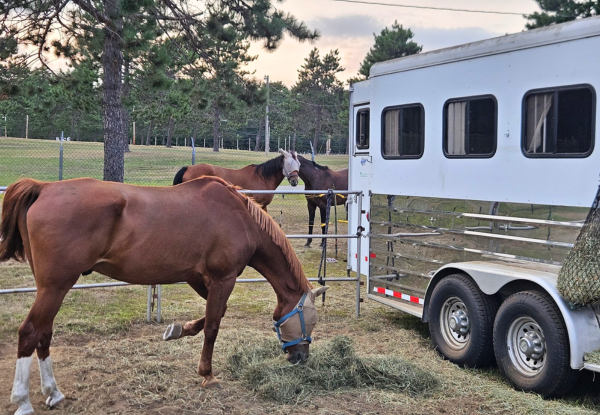
Sleeping at an endurance ride camp: trailer or tent? Read more
Ride camps are mainly held in the United States, and deciding where to sleep at an endurance ride camp is not just a...

How Expert Riders Prepare Their Endurance Setup Read more
Properly preparing the endurance setup is one of the main differences between a beginner rider and an experienced...

Electrolytes During an Endurance Race: When and How to Use Them Read more
Properly managing electrolytes during an endurance race means maintaining the horse’s physiological balance...
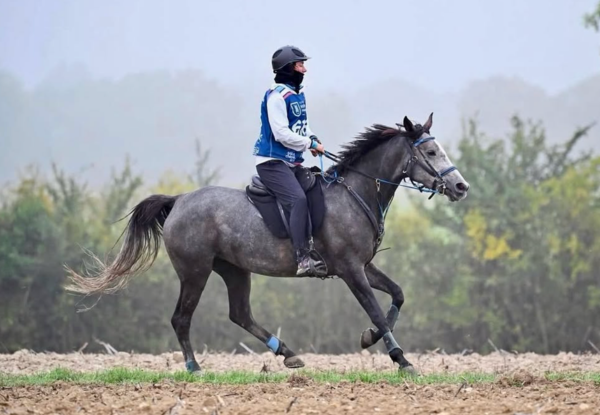
Gastric Health in the Endurance Horse: When to Use a Gastroprotectant Read more
In the world of endurance, much is said about heart rate, recovery, hydration, and effort management, but far less...
Popular posts

How do horses sleep: do they sleep standing up or lying down?
Do you really know how horses sleep? It's not just a fun fact: knowing it helps improve their well-being. A...
Read more
Horse Arnica: properties and benefits of extra-strong arnica gel for horses and human use
Arnica for horses is a powerful natural remedy, also ideal for humans! Discover its benefits and how to use it for...
Read more
How much does horse riding cost? A guide for parents and enthusiasts
How much does horse riding cost? Find out the price of lessons, equipment, and horse care, with strategies to enjoy...
Read more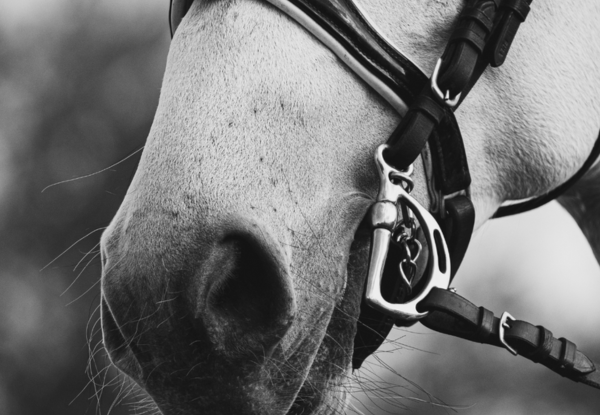
Horse bits: A complete guide to choosing snaffle bits and curb bits
A technical guide to choosing the right bit: learn the difference between curb and snaffle and find the best option...
Read more
What do horses eat? A complete guide to horse feeding for optimal health
Do you really know what horses eat? In this simple and complete guide, you will learn how to feed them in the best...
Read moreFeatured posts
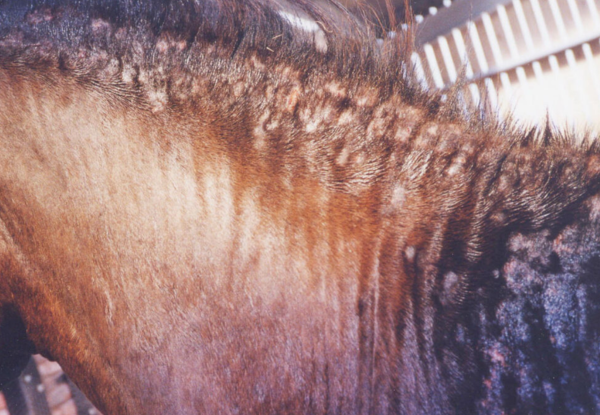
Sweet itch in horses: Symptoms, causes and treatments for a healthy coat
Everything you need to know about horse sweet itch: a complete guide with symptoms, causes, and helpful remedies to...
Read more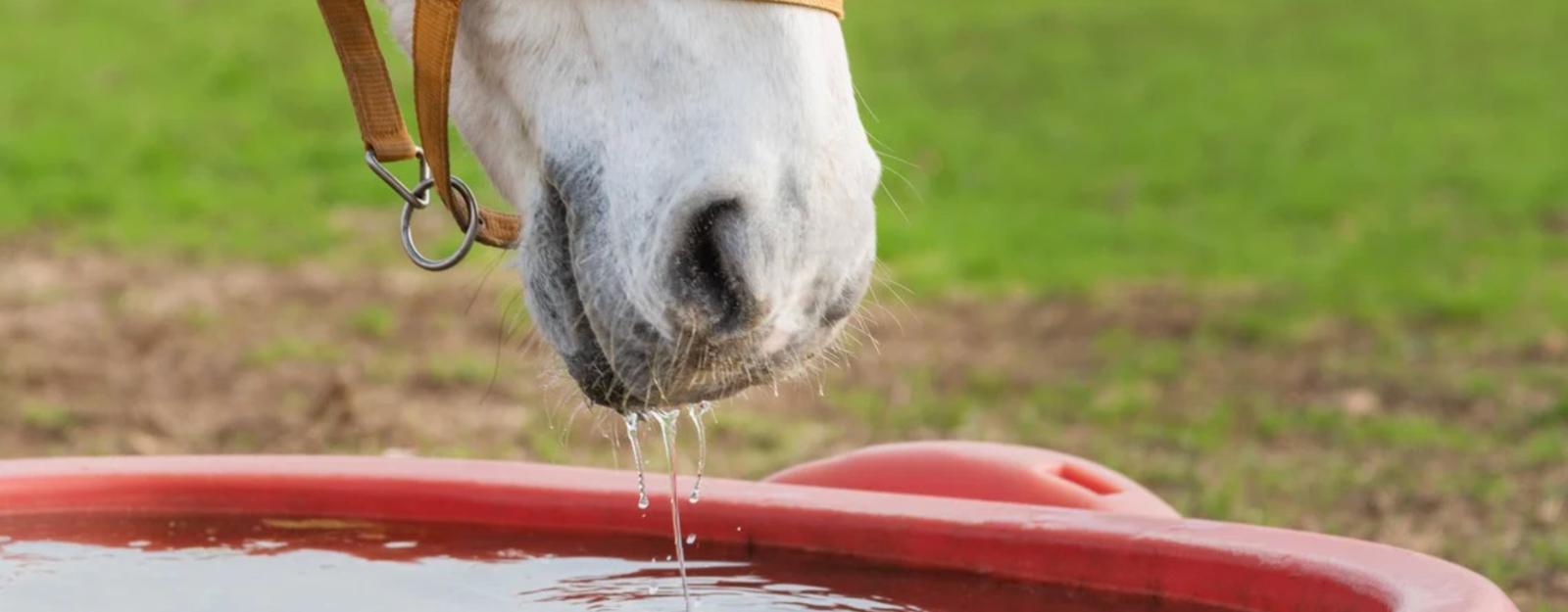
Electrolytes During an Endurance Race: When and How to Use Them
In competitions of 40, 80, 100 km or more, sweating is constant and leads to a significant loss of sodium, chloride and potassium.
Without a planned strategy, the hydro-electrolyte balance can progressively change, affecting cardiac recovery, muscle function and performance quality.
WHY REPLENISHMENT IS ESSENTIAL
The conscious use of electrolytes during an endurance race is supported by equine physiology.
Horse sweat is hypertonic, therefore rich in mineral salts, and water alone is not enough to restore internal balance.
If the deficit builds up, muscle stiffness, slower recovery and reduced mental availability may appear.
Key aspects:
Horse sweat contains high concentrations of sodium and chloride
Water alone does not restore electrolyte balance
Replenishment must be planned, not improvised
DURING THE RACE: THE VET GATE AS A DECISION-MAKING POINT
The vet gate is the strategic moment to assess the use of electrolytes during an endurance race. The decision must be based on real observation: amount of sweat, climate, cardiac recovery time and the horse’s behavior.
There is no universal protocol valid for every horse-and-rider pair.
Factors to consider:
Ambient temperature and humidity
Intensity and speed of the first loop
The horse’s individual condition
Metabolic response already observed during training
AFTER THE FINISH: A CRITICAL RECOVERY PHASE
Even after the race, electrolytes remain central. After prolonged effort, the horse needs support to restore metabolic balance.
Proper replenishment can help stabilize the hydro-electrolyte balance and support muscle recovery in the following hours.
Post-race goals:
Restore salt losses
Support hydration
Reduce metabolic stress accumulation
Recovery is an integral part of race strategy.
WATER AND SAFETY: A NON-NEGOTIABLE PRINCIPLE
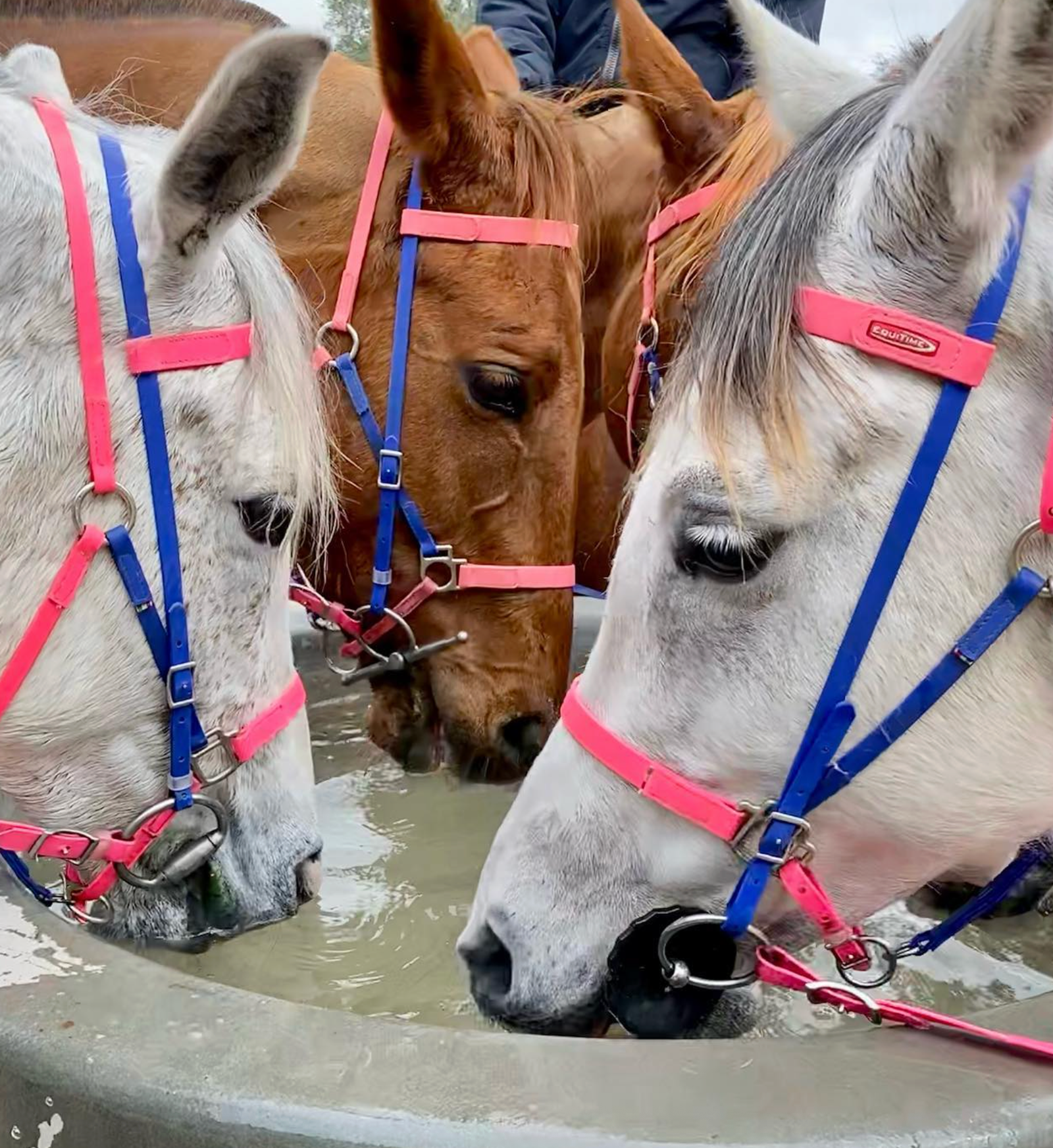
Electrolytes during an endurance race must never replace water. Since they draw fluids into the intestine to be absorbed, they must always be accompanied by free access to fresh water.
Giving them to a dehydrated horse or to a horse that is not drinking can worsen dehydration.
Fundamental rules:
Never without water
Never force administration
Never use untested protocols
PAY ATTENTION TO CONCENTRATION AND HYPERTONIC PASTES
One aspect to consider carefully is the repeated use of overly concentrated solutions.
Some studies suggest that hypertonic electrolyte pastes administered frequently and without adequate hydration may increase the risk of gastric irritation.
This does not mean they should be avoided, but that they must be integrated into a balanced and personalized strategy.
Principles of caution:
Avoid close administrations without water
Do not adopt “aggressive” protocols copied from others
Always assess the horse’s individual sensitivity
Metabolic management must never compromise gastric health.
COMMON MISTAKES TO AVOID
Incorrect management of electrolytes during an endurance race can be risky. Acting only in an emergency, ignoring the climate or using random dosages are frequent mistakes.
Every horse has an individual response, and personalization is essential.
Typical mistakes:
Waiting for obvious signs of imbalance
Copying strategies without adapting them
Not testing the protocol during training
Ignoring extreme environmental conditions
Knowing when and how to use electrolytes during an endurance race means planning, observing and adapting.
A balanced strategy reduces the risk of metabolic imbalances.
Related posts
 The ultimate guide to choosing the perfect size for your KEP ITALIA horse riding helmet
Discover how to choose the perfect size for your KEP ITALIA horse riding helmet with our comprehensive guide. Learn...
Read more How to choose the right horse blanket: a complete guide to protecting your horse from the coldWith the arrival of winter, ensuring your horse’s well-being is essential. This article will guide you in selecting...
Read more Technical guide to maintaining your saddleThe new Equitime leather care line revolutionizes saddle maintenance. In this technical guide, you will find...
Read more How much does horse riding cost? A guide for parents and enthusiastsHow much does horse riding cost? Find out the price of lessons, equipment, and horse care, with strategies to enjoy...
Read more How to clean leather riding boots: A complete guide to perfect careA complete guide on how to clean riding boots and keep them in perfect condition. Find practical tips, mistakes to...
Read more