
 Français
  Italiano
  Español
  Deutsch
  Português PT
 .png)
.png)
In endurance competitions, attention is often focused almost exclusively on the horse. However, the rider’s physical...
Search in blog
Blog categories
Latest posts
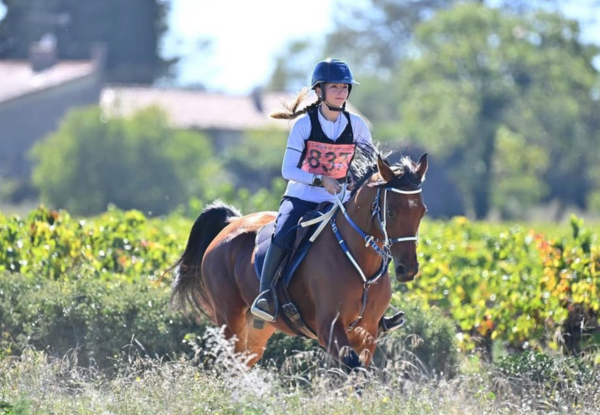
Rider fatigue: nutritional strategies for endurance
Read more
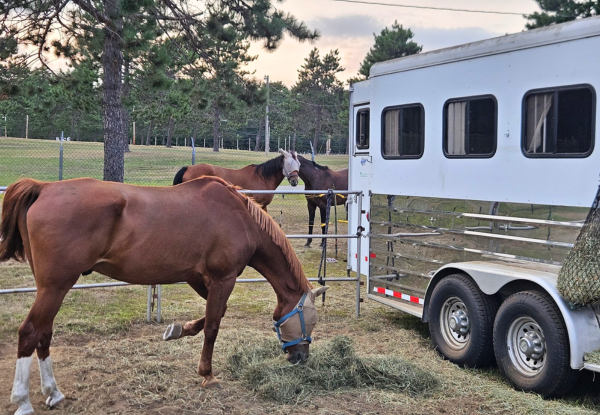
Sleeping at an endurance ride camp: trailer or tent? Read more
Ride camps are mainly held in the United States, and deciding where to sleep at an endurance ride camp is not just a...

How Expert Riders Prepare Their Endurance Setup Read more
Properly preparing the endurance setup is one of the main differences between a beginner rider and an experienced...

Electrolytes During an Endurance Race: When and How to Use Them Read more
Properly managing electrolytes during an endurance race means maintaining the horse’s physiological balance...
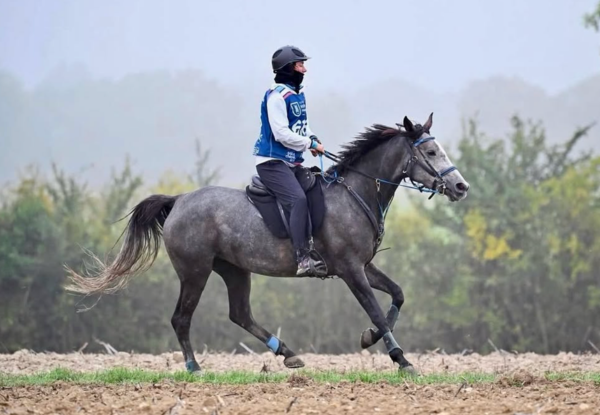
Gastric Health in the Endurance Horse: When to Use a Gastroprotectant Read more
In the world of endurance, much is said about heart rate, recovery, hydration, and effort management, but far less...
Popular posts

How do horses sleep: do they sleep standing up or lying down?
Do you really know how horses sleep? It's not just a fun fact: knowing it helps improve their well-being. A...
Read more
Horse Arnica: properties and benefits of extra-strong arnica gel for horses and human use
Arnica for horses is a powerful natural remedy, also ideal for humans! Discover its benefits and how to use it for...
Read more
How much does horse riding cost? A guide for parents and enthusiasts
How much does horse riding cost? Find out the price of lessons, equipment, and horse care, with strategies to enjoy...
Read more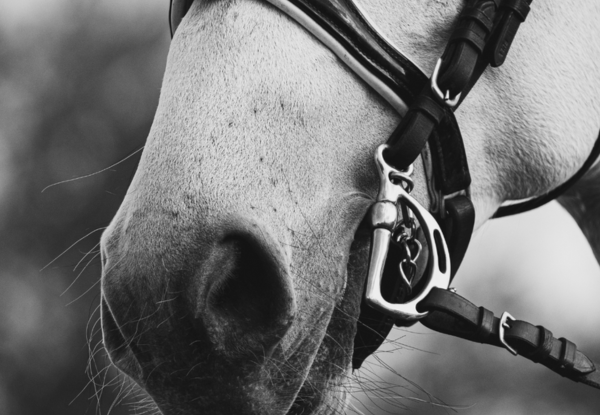
Horse bits: A complete guide to choosing snaffle bits and curb bits
A technical guide to choosing the right bit: learn the difference between curb and snaffle and find the best option...
Read more
What do horses eat? A complete guide to horse feeding for optimal health
Do you really know what horses eat? In this simple and complete guide, you will learn how to feed them in the best...
Read moreFeatured posts
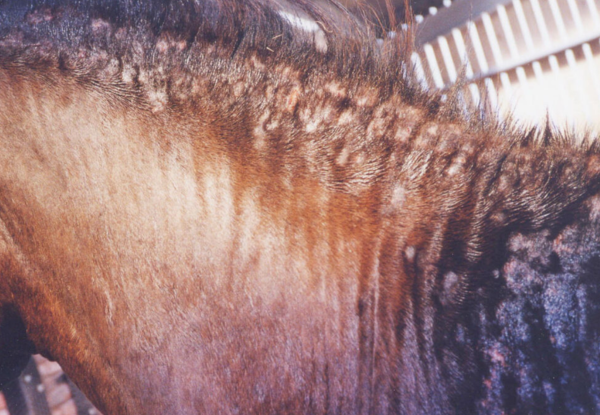
Sweet itch in horses: Symptoms, causes and treatments for a healthy coat
Everything you need to know about horse sweet itch: a complete guide with symptoms, causes, and helpful remedies to...
Read more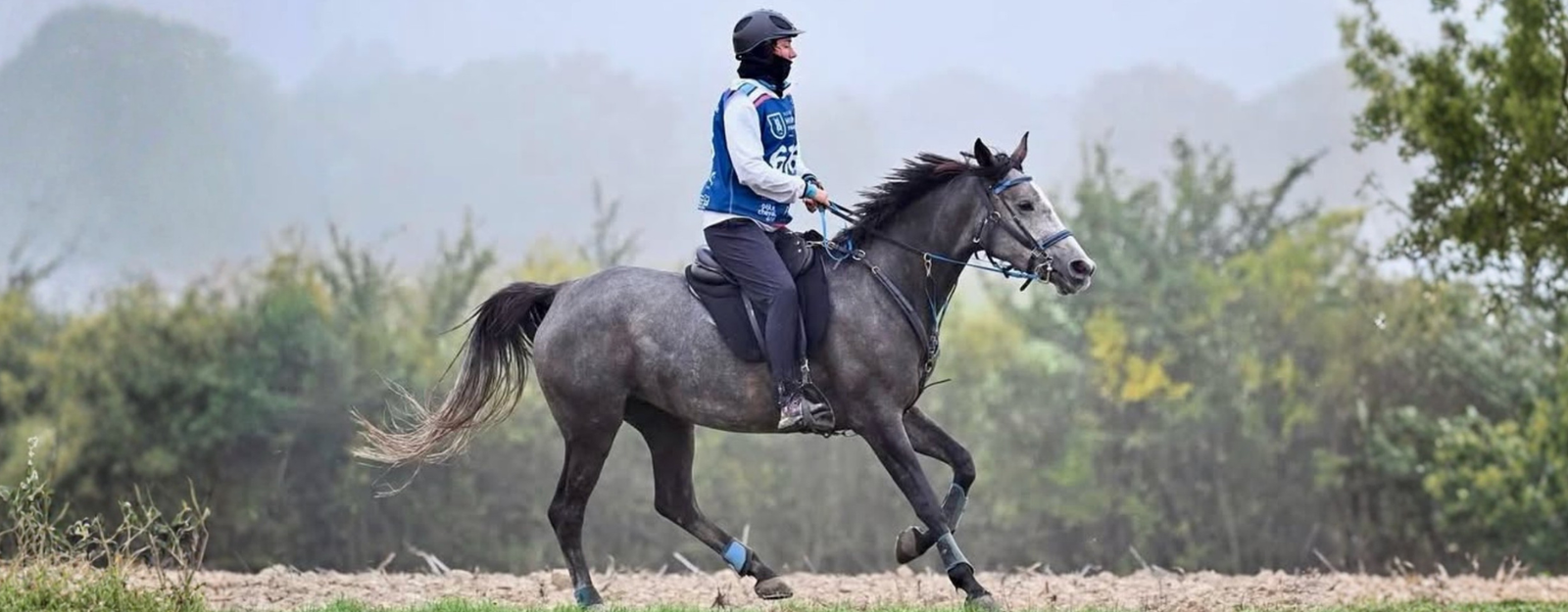
Gastric Health in the Endurance Horse: When to Use a Gastroprotectant
Understanding when it makes sense to use a gastroprotectant preventively, and when no support is actually needed, is part of responsible management of the sport horse.
WHY THE ENDURANCE HORSE IS AT RISK OF GASTRIC PROBLEMS
The endurance horse is exposed to a combination of physical and environmental stressors that can increase the risk of gastric irritation and ulcers.
Among the most common factors are:
Frequent and often long-distance transport
Changes in environment, stabling, and routine
Waiting at the competition venue with reduced access to forage
Temporary reduction in hay intake or changes in feeding
Prolonged and intense exercise
The horse’s stomach produces acid continuously, regardless of meals. When workload increases and feeding management becomes less regular (travel, competitions, stopovers), the gastric mucosa becomes more vulnerable.
It is not just a matter of diet, but of overall stress management.
GASTRIC ULCERS IN THE SPORT HORSE: SYMPTOMS AND DIAGNOSIS
Gastric ulcers in sport horses are common, especially in high-intensity or long-duration disciplines.
Signs to watch for include:
Drop in performance or changes in willingness to work
Irritability or defensiveness when the chest/abdomen is palpated
Reduced appetite or selectivity with feed
Difficulty recovering, loss of condition, or weight changes
These symptoms are not specific: a drop in form does not automatically indicate a gastric problem.
That is why diagnosis must always be entrusted to the veterinarian, ideally through gastroscopy, which is the only test able to confirm the presence, location, and severity of the ulcers.
GASTROPROTECTANTS IN THE HORSE: WHAT THEY ARE AND WHAT THEY ARE FOR
The term “gastroprotectant” refers to medications or supplements designed to reduce the aggressiveness of the gastric environment and protect the stomach lining.
In the sport horse, they are considered as a preventive measure or support during periods of greater stress.
The use of a gastroprotectant is usually considered in cases of:
Long trips for competitions or training camps
Multi-day competitions with overnight stays in temporary stalls
Periods of particularly intense workload
Horses with a history of gastric sensitivity or previously confirmed ulcers
WHEN TO USE A GASTROPROTECTANT PREVENTIVELY
The key question is: when does it make sense to use a gastroprotectant in the endurance horse?
In general, preventive management may be considered when the horse is exposed to a predictable increase in gastric stress, such as:
Preparation for an important competition with a marked increase in workload
Participation in FEI competitions or 100+ km rides with long travel and days away from home
Temporary dietary changes (from paddock to stall, reduced grazing)
Busy competition seasons, with little recovery time between one ride and the next
In these cases, the goal is not to mask an existing problem, but to reduce the risk that cumulative stress turns into gastric damage.
“Prevention” does not mean continuous and indiscriminate use: dosage, duration, and timing must always be personalized by the veterinarian.
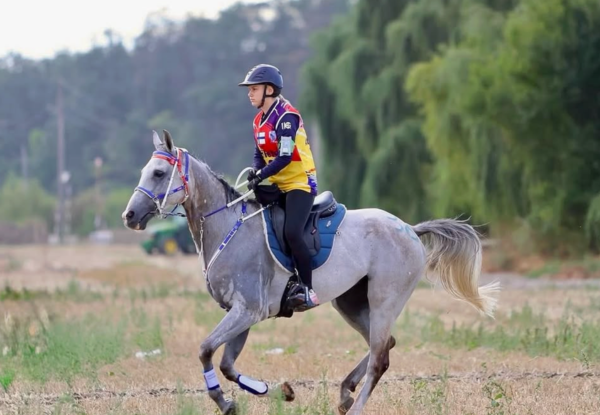
WHEN NOT TO USE A GASTROPROTECTANT IN THE ENDURANCE HORSE
A gastroprotectant should not become:
A “habit” to use automatically before every competition
A substitute for proper feeding management, forage, and daily routine
If the horse:
Eats regularly and maintains good condition
Shows no signs of discomfort or performance decline
Is managed with sufficient access to hay and well-organized logistics
It is not certain that any supplementation is needed.
Intelligent endurance management starts with observing the individual horse, not with identical standard protocols for all.
MANAGEMENT AND FEEDING: HOW TO PROTECT THE STOMACH NATURALLY
Some fundamental strategies for the gastric health of the endurance horse depend on daily management:
Ensure access to hay as continuously as possible
Avoid long periods with an empty stomach, especially before work or transport
Offer small amounts of forage before training or before the loop
Reduce unnecessary stress at the competition venue (continuous stall changes, noise, chaos)
Many gastric problems arise from overlooked details: schedules that change every day, insufficient forage, logistics organized at the last minute.
Taking care of these aspects is often the first true preventive intervention.
GASTRIC HEALTH AND PERFORMANCE IN ENDURANCE
A horse with gastric discomfort does not always show colic or obvious signs, but the problem may appear in performance.
Some signs not to underestimate are:
Slower recovery after loops or after the competition
Reduced motivation, refusal to eat at the crew point
Reduced willingness to maintain pace or respond to the rider’s requests
Gastric health affects metabolic efficiency, effort management, and recovery quality.
Protecting the stomach means protecting the competition season and reducing the risk of forced downtime.
ENDURANCE, RESPONSIBILITY, AND THE HORSE’S WELL BEING
In the world of endurance, the goal is not only to finish first, but to build long, sustainable careers that respect the horse.
Gastric health is a fundamental part of this responsibility.
GASTROPROTECTANTS AND GASTRIC HEALTH: THEIR ROLE IN ENDURANCE MANAGEMENT
A gastroprotectant may play a role in the preventive management of the endurance horse’s gastric health, but only:
In specific situations of predictable stress
After proper evaluation
As part of an overall strategy that includes feeding, proper logistics, and monitoring
True prevention comes from organization, proper feeding, and intelligent stress management.
In endurance, preparation is not only about muscles and kilometers, but also about what cannot be seen: the stomach, metabolism, and the horse’s ability to face multiple seasons in good health.
Posted in: Horse care and grooming
Related product

Related posts
 Mud Fever: effective solutions for treating and preventing it permanently
Mud Fever in horses is a common skin condition during autumn and winter, caused by damp environments and dirty...
Read more How to keep your horse hooves healthy: tips and useful advice for winterA complete guide to taking care of horse hooves: discover how to keep them healthy in every season, preventing issues...
Read more Equitime Horse & Leather Care: the new line for horse and leather careEquitime presents Horse and Leather Care, a range of products with natural ingredients and tested formulas to ensure...
Read more Horse Arnica: properties and benefits of extra-strong arnica gel for horses and human useArnica for horses is a powerful natural remedy, also ideal for humans! Discover its benefits and how to use it for...
Read more What do horses eat? A complete guide to horse feeding for optimal healthDo you really know what horses eat? In this simple and complete guide, you will learn how to feed them in the best...
Read more