
 Français
  Italiano
  Español
  Deutsch
  Português PT
 .png)
.png)
In endurance competitions, attention is often focused almost exclusively on the horse. However, the rider’s physical...
Search in blog
Blog categories
Latest posts
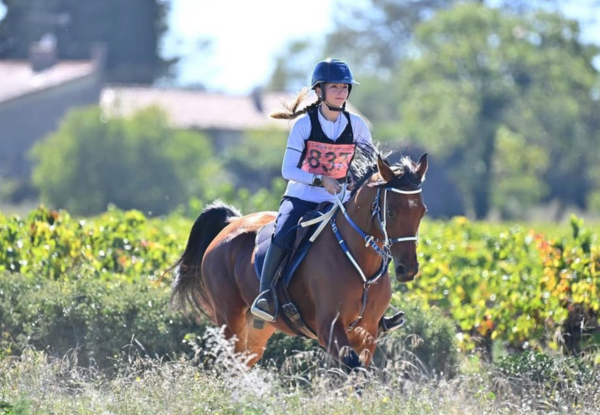
Rider fatigue: nutritional strategies for endurance
Read more
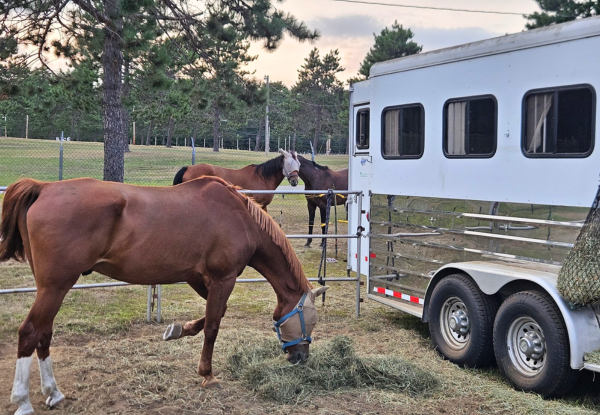
Sleeping at an endurance ride camp: trailer or tent? Read more
Ride camps are mainly held in the United States, and deciding where to sleep at an endurance ride camp is not just a...

How Expert Riders Prepare Their Endurance Setup Read more
Properly preparing the endurance setup is one of the main differences between a beginner rider and an experienced...

Electrolytes During an Endurance Race: When and How to Use Them Read more
Properly managing electrolytes during an endurance race means maintaining the horse’s physiological balance...
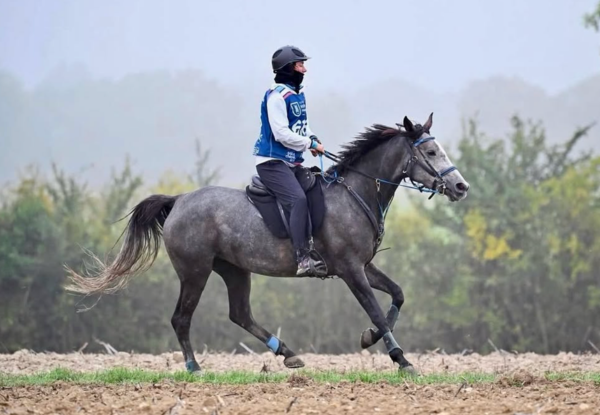
Gastric Health in the Endurance Horse: When to Use a Gastroprotectant Read more
In the world of endurance, much is said about heart rate, recovery, hydration, and effort management, but far less...
Popular posts

How do horses sleep: do they sleep standing up or lying down?
Do you really know how horses sleep? It's not just a fun fact: knowing it helps improve their well-being. A...
Read more
Horse Arnica: properties and benefits of extra-strong arnica gel for horses and human use
Arnica for horses is a powerful natural remedy, also ideal for humans! Discover its benefits and how to use it for...
Read more
How much does horse riding cost? A guide for parents and enthusiasts
How much does horse riding cost? Find out the price of lessons, equipment, and horse care, with strategies to enjoy...
Read more
Horse bits: A complete guide to choosing snaffle bits and curb bits
A technical guide to choosing the right bit: learn the difference between curb and snaffle and find the best option...
Read more
What do horses eat? A complete guide to horse feeding for optimal health
Do you really know what horses eat? In this simple and complete guide, you will learn how to feed them in the best...
Read moreFeatured posts
Sweet itch in horses: Symptoms, causes and treatments for a healthy coat
Everything you need to know about horse sweet itch: a complete guide with symptoms, causes, and helpful remedies to...
Read more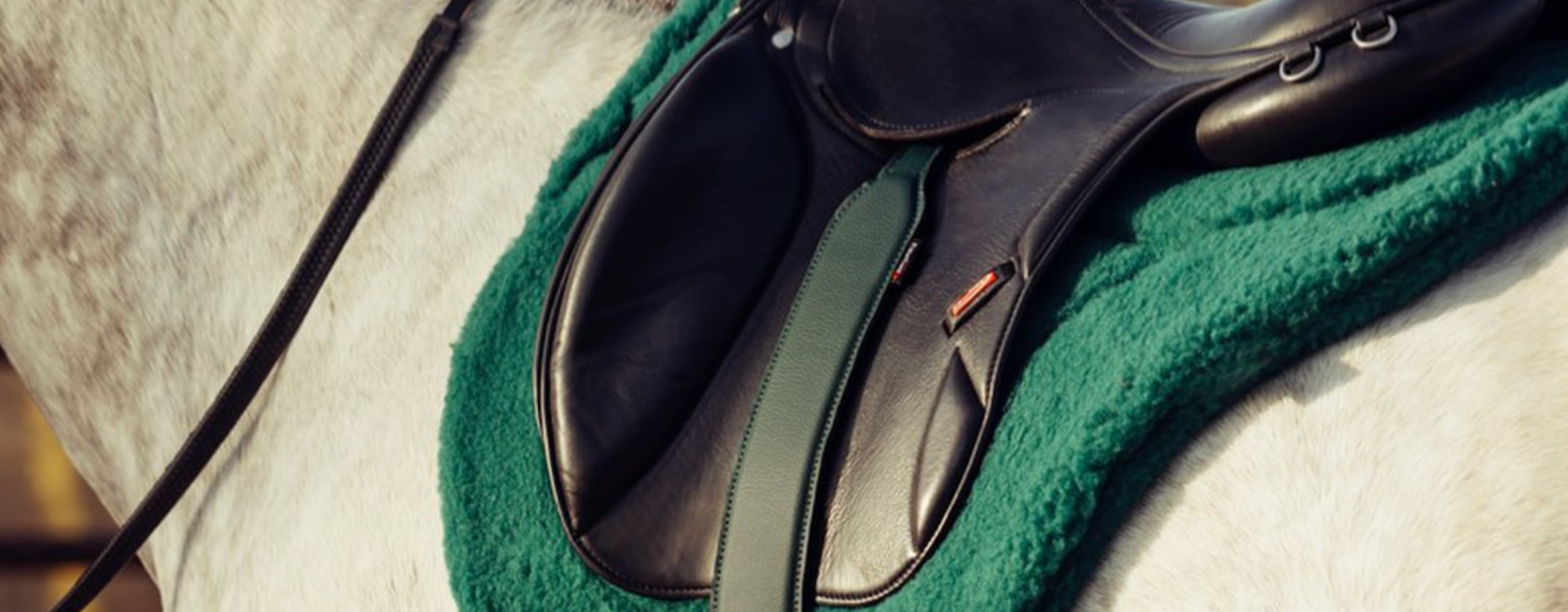
Why the right saddle pad prevents injuries over long distances
In endurance riding, many injuries don’t come from a single mistake, but from small issues repeated kilometer after kilometer.
Friction, localized pressure, heat build up, or moisture are factors that, over long distances, can turn into real limits to performance.
In this context, the saddle pad is not a secondary accessory:
it is one of the most decisive elements for the horse’s well being.
ENDURANCE AMPLIFIES EVERYTHING: EVEN THE SMALLEST MISTAKES
Over a short distance, an unsuitable saddle pad may not show obvious signs.
But in competition:
every pressure point is repeated thousands of times
every rub increases with sweat
- every instability turns into muscle tension
What “seems to work” in a short training session can become a serious issue over 80 or 100 km and beyond.
HOW EQUIPMENT RELATED INJURIES DEVELOP
Injuries linked to the saddle pad are almost never sudden.
They develop progressively through:
repeated microtrauma
localized inflammation
- compensatory muscle stiffness
The early signs are often underestimated:
ruffled or damaged hair coat
areas warmer to the touch
small swellings
- changes in coat color
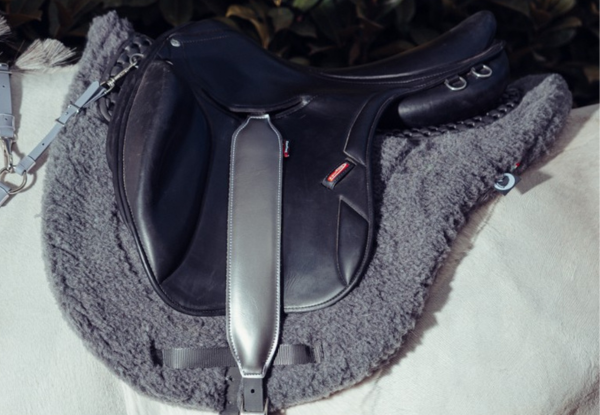
THE SADDLE PAD’S ROLE IN PRESSURE DISTRIBUTION
One of the main jobs of the saddle pad is to distribute the load correctly between the saddle and the horse’s back.
A suitable saddle pad:
reduces pressure points
follows the movement of the back
- works in synergy with the saddle
An unsuitable saddle pad:
creates localized pressure points
amplifies any balance or fit issues
- forces the horse to compensate
Injury prevention starts with even load distribution.
SWEAT MANAGEMENT: AN OFTEN UNDERESTIMATED FACTOR
Over long distances, sweat becomes a critical element.
A good endurance saddle pad must:
promote breathability
move moisture away from the skin
- keep its shape even when wet
When sweat stagnates:
friction increases
the skin weakens
- the risk of abrasions grows
Many skin problems arise not from the saddle, but from poor sweat management.
STABILITY: LESS MOVEMENT, LESS TRAUMA
Every micro movement of the saddle results in:
repeated rubbing
- muscle tension
The saddle pad contributes to stability by:
maintaining the correct position
reducing slippage
- adapting to changes in balance from a tired rider
More stability means less mechanical stress.
LONG DISTANCES = PREVENTION, NOT CORRECTION
One of the most common mistakes is trying to “fix” things during a competition by:
changing saddle pads
adding extra padding
- improvising solutions
In endurance, this approach does not work.
Injury prevention happens:
before the season starts
in training
- by testing equipment over the same distances
The right saddle pad is chosen beforehand, not on competition day.
GREEN BEANS AND EXPERIENCED RIDERS: SAME PRINCIPLE, DIFFERENT NEEDS
For the Green Bean
reduces the risk of early mistakes
helps finish the first competition without problems
- builds confidence in the equipment
For the experienced rider
optimizes comfort over long distances
reduces the build up of microtrauma
- improves recovery quality
The principle is the same: protect the horse over the long term.
In endurance, preventing injuries means taking care of details before they become problems.
The saddle pad is one of those details.
Choosing it carefully, testing it in training, and using it consistently means:
protecting the horse’s back
improving comfort
increasing the chances of a long and healthy season
Discover our wide range of saddle pads designed and developed specifically for endurance riding.

Posted in: Equestrian Endurance & Events
Related products
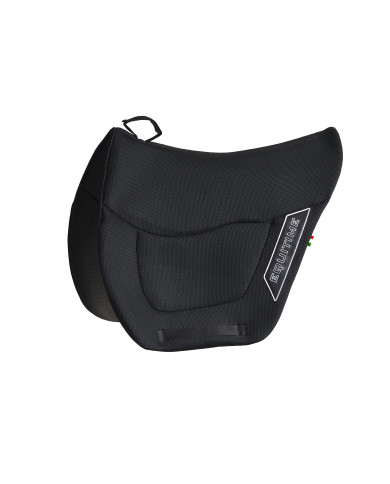
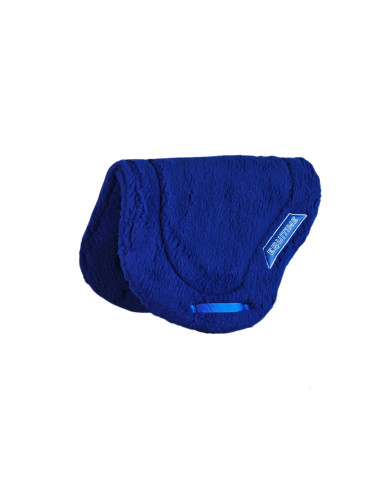
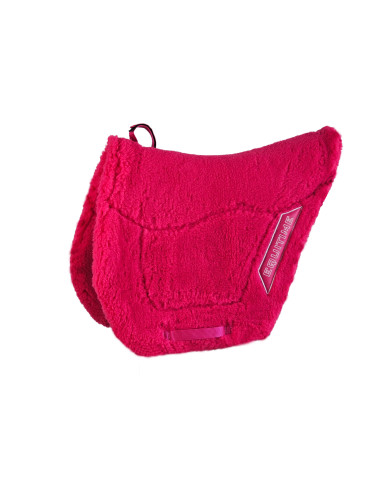
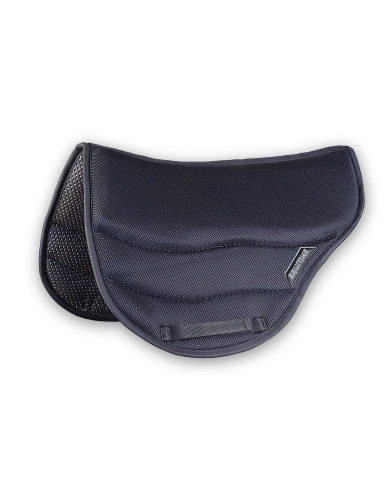

EQUITIME Saddlepad Sympa Breathable Non-Slip Saddle Pad
Price: €97.50
MADE IN ITALY EQUITIME DryGrip Saddlepad made of non-slip Sympa material with...
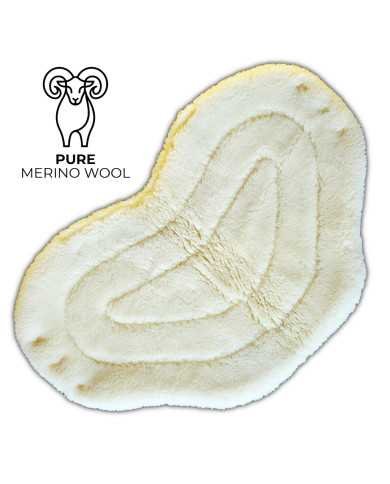
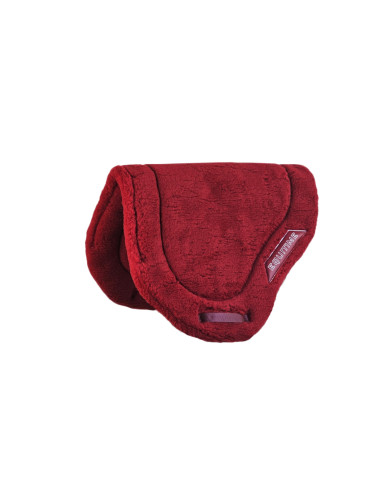
EQUITIME Endurance Saddle Pad in Pure Merino Wool
Price: €219.99
Endurance Saddle Pad in Pure Merino Wool EQUITIME – 3D Breathable Fabric,...
Related posts
 Recap 2024: A Year of Endurance Between Italy and France with EQUITIME
2024 saw EQUITIME shine in 10 Endurance races across Italy and France, achieving significant milestones at the...
Read more 2024: A Year of challenges and successes for Equitime2024 has been a year of remarkable achievements for Equitime and some of its ambassadors, who stood out with...
Read more Arezzo Ride 2025: News from EquitimeEquitime kicks off the 2025 season by participating in the Festival Terre Toscane at the Arezzo Equestrian Centre....
Read more 7th Raid Città della Pieve: rain, mud and adrenalineCittà della Pieve opens the 2025 endurance season with the 7th International Raid: with bad weather and conquered...
Read more The Equitime® Endurance Brand: a story of passion and innovation born in AbruzzoDiscover the story of Equitime® Endurance: an Italian brand born from the passion of those who live Endurance every day.
Read more